
An artsy 4 day itinerary in Lisbon
Disclosure: This post contains affiliate links. I earn a small commission on every purchase made at no extra cost to you.
Lisbon has a particular quality of light that comes off the water and up the hills in a way that makes everything look slightly luminous, even on an ordinary morning. The city is built across seven hills, and the effect of that is that you're always either climbing or looking out over something. I went expecting to like it. I came back genuinely converted.
Lisbon is one of the oldest cities in Europe, and it wears that history visibly: in the azulejos covering entire building facades, in the seemingly hodgepodge buildings of Alfama, in the Manueline stonework at Jerónimos that makes the rest of Gothic architecture feel restrained by comparison. Four days is enough to get a real sense of it, with time for a day trip to Sintra.
Here's how I'd spend them.

Day 1: Alfama
Day 2: Belem
Day 3: Sintra
Day 4: Art and history
Getting around Lisbon
Lisbon is very hilly, and therefore can be exhausting to walk! While still possible, I found it easier to get cabs across the city, which also helped to save a lot of time. It cost between 5-12 euros per Uber ride depending on how far we were travelling, so felt pretty worth it in the end.
There are plenty of public transport options as well, and if you get a Lisbon Card, transport will be included, so that could help save some money.
Lisbon’s famous trams are a beloved way to travel around the city, with Tram 28 in particular being a scenic and popular route.
Where to stay in Lisbon
We stayed in a studio apartment in Alfama at Lisbon Best Choice Apartments: affordable, clean, and a good base for exploring the old town on foot. Having a kitchen was useful. Alfama is lively at night, so expect some noise.
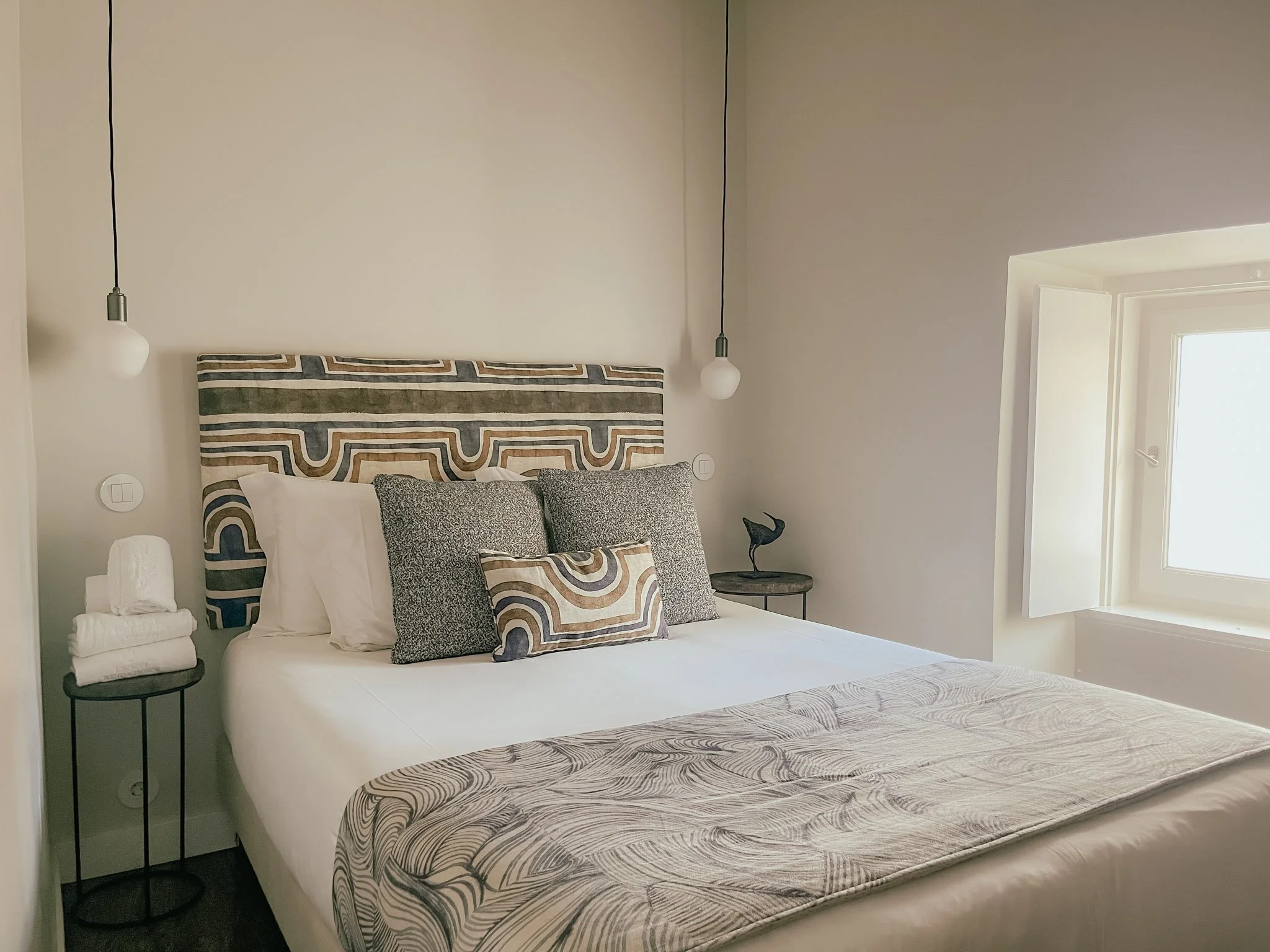
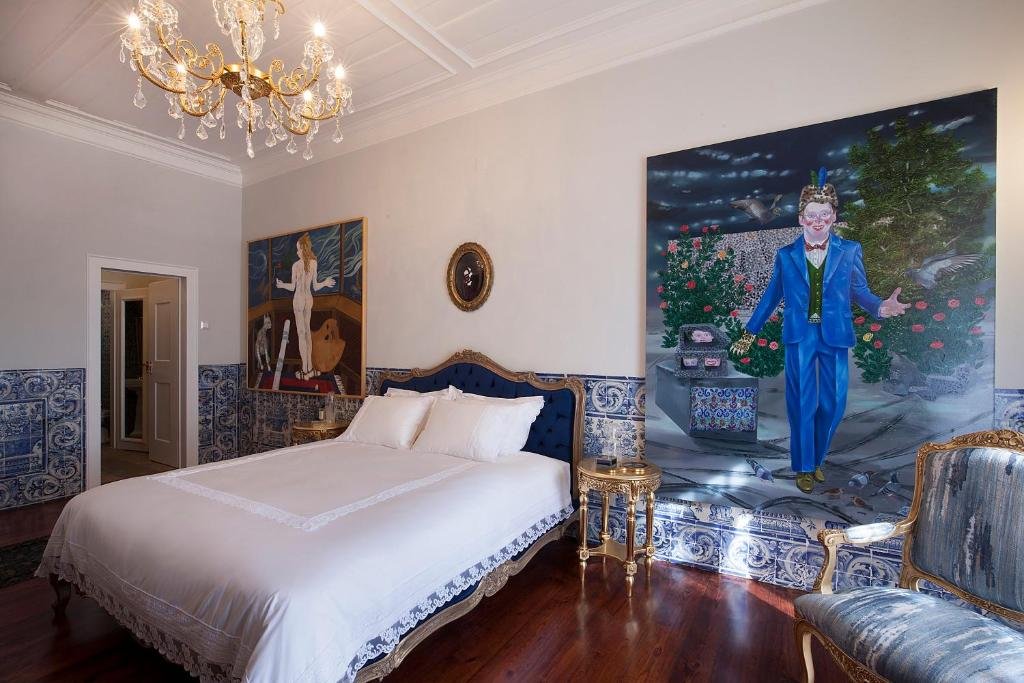
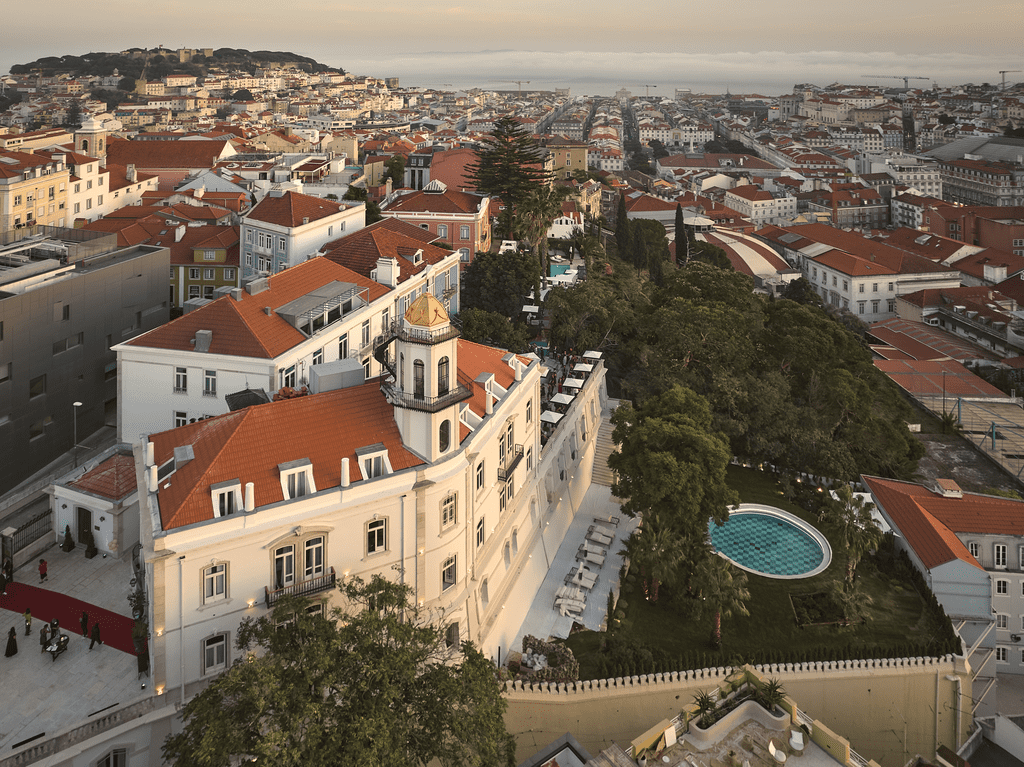
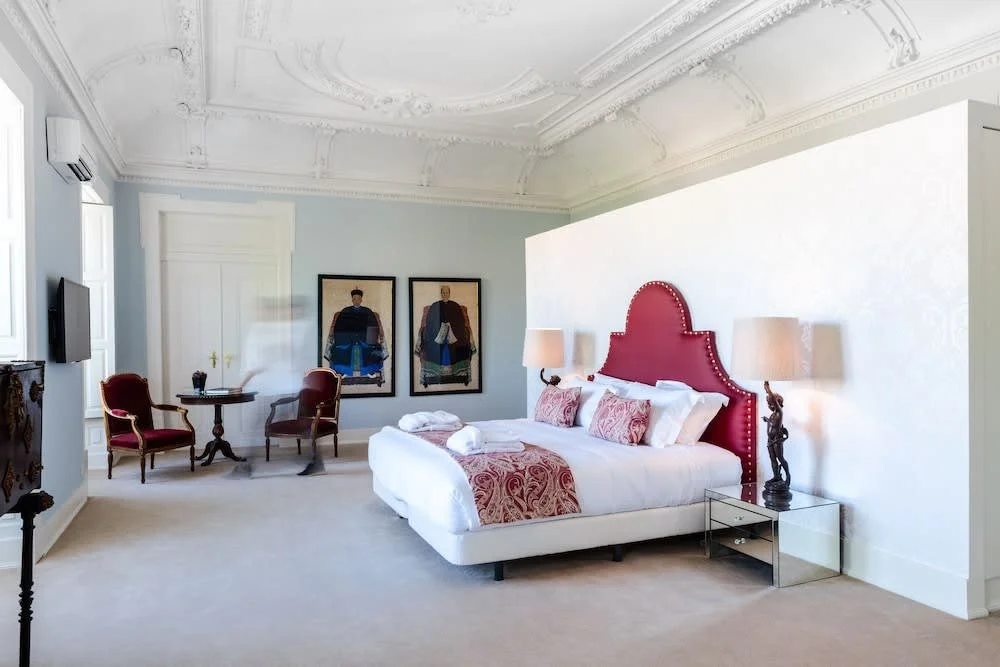
For something with more design credentials, Dear Lisbon Palace Chiado Suites has beautiful historic interiors and views over the rooftops. Casa dell'Arte Club House in Alfama is made for art lovers, with azulejos and contemporary work throughout. Torel Palace and Palacio Ramalhete are both 18th-century buildings with pools and that particular Portuguese grandeur if you want to push the budget.
Day 1 in Lisbon: exploring Alfama
Alfama is Lisbon's oldest neighbourhood, built across two hills in a tangle of steep alleys, tiled walls and very good viewpoints. It gives you the best first impression of the city. If you're visiting on a Tuesday or Saturday, the morning flea market at Santa Clara makes an ideal starting point.


Breakfast
I don’t know if it’s a proper Portuguese thing to do or not, but eating a custard tart seems like a great way to start a day in Lisbon. Here are some great options I’ve tried for pasteis de nata in Alfama:
Casa São Miguel is a beautiful art nouveau style cafe selling pasteis de nata alongside many other traditional Portuguese treats.
Santo António sells a variety of pastries right at the base of the St George Castle.
Fiera de Ladra - Santa Clara flea market
The Fiera de Ladra is a flea market which runs on Tuesdays and Saturdays in Alfama, near the Pantheon, and it’s best to visit in the morning. The area is filled with stalls, from vintage tiles and jewellery to lots of tat. It does take some digging to find the gems, but it’s fun to have a wander around here and check out what’s on offer. I also really like the painted tiles on the wall near the market.

It extends quite far, and my favourite bit was the indoor market called Mercado de Santa Clara. The stalls running around the outside of it sell high-quality vintage goods, from hand-embroidery to books. Inside, more contemporary stalls sell jewellery, candles, soaps, and all sorts of nice presents. I got a beautiful pair of earrings inspired by azulejos here from a stall called Mila Design Studio.
Campo de Santa Clara Ceramicas
Right outside the Santa Clara market is a ceramics shop called Campo de Santa Clara Ceramicas. There are a lot of ceramics shops in Lisbon, and this was my favourite that we visited because it had the most unique wares and reasonable prices. The beautiful hand-crafted ceramics are packed perfectly by the staff and the two cups I bought came home easily with me. Do note that they do not accept card!


Explore Alfama
Alfama is spread across two hills, so there is a lot of uphill walking through small alleyways here! Though sometimes strenuous, it is immeasurably charming, and I suggest just wandering for a little while to get a feel for the area. This itinerary will take you back to the major viewpoints in the evening, so don’t stress about missing anything.


Some notable spots to explore in Alfama:
Lisbon Cathedral - Sé de Lisboa: a cathedral resembling a fortress in the romanesque style
S. Jorge Castle: an 11th century Moorish castle on top of Alfama’s hill, looking out over the city. Book a ticket and guide to the castle here.
São Vicente de Fora: Impressively imposing church filled with art and ornate chapels
National Pantheon: Baroque church and resting place for important national heroes
Museum of Decorative Arts: part house museum and display of lavish decorative arts from Lisbon’s history - guided tours only
Fado Museum: Museum dedicated to this famed Portuguese musical genre. You can also book a Fado performance and classic dinner.
Tram rides: the famous yellow trams run throughout the city, including through parts of Alfama. Tram 28 is the most well-known and spans the whole city, while 12 is a short route in Alfama that will likely be less busy.
Alfama tour: this is the most highly rated tour in Lisbon which includes tram rides and guided tours around Alfama. Alternatively, if you’re not up for walking Lisbon’s hills, this tour will get you around by tuk tuk, or this one will tour Lisbon via e-bike.
Clearly, there is an awful lot to see and do in Alfama and it could take days to fully explore it. At a push, it’s possible to at least see these sites from the exterior and enjoy a walk around this atmospheric neighbourhood.
Lunch at Taberna Sal Grosso
My favorite restaurant in Lisbon, Taberna Sal Grosso, is a must-visit in Alfama. This tiny place seats 22 and books up in advance. We dined here twice and enjoyed classic Portuguese dishes brimming with flavor.
The handwritten menu included cod croquettes, lamb brioche, peppercorn chicken, pork cheeks with tomato migas, broccolini, and mashed sweet potato—all outstanding. Though there are many fish options, we focused on meat.
Dessert was exceptional, especially the chocolate mousse with sea salt and olive oil.
Afternoon at the Tile Museum
The Tile Museum is a must-visit when in Lisbon, as the azulejos all around the city are so iconic to the city’s identity. The museum is not in Alfama, but not too far away — about 10 minutes in a cab. We took an Uber from Alfama for about 5-7 euros.

The museum is housed in a 16th-century monastery and traces the history of azulejos from their origins to the present day. The chapel is extraordinary: gilded ornamentation and azulejo panels covering every surface. What I found most interesting was seeing how contemporary artists are working with the tradition, finding entirely new things to do with a form that has been around for five centuries.
There's also a large panoramic tile map of Lisbon made before the 1755 earthquake, showing the city as it was. Recognising streets and squares you've just walked through, and then noticing the parts that no longer exist, is quietly affecting. The tiled cafe downstairs is a good option for lunch if you'd rather come here first.


Evening viewpoints in Alfama
Praça Júlio de Castilho is a small park and home to one of my favourite viewpoints in Lisbon, Miradouro de Santa Luzia. The viewpoint is decorated with blue and white tiles (azulejos) and covered in blooming vines. The viewpoint looks out over the water, and is full of atmosphere in the evening. There was a fair crowd when we visited, as well as a singer performing and several artists selling their work. There is a little cafe here as well, to pick up a snack or drink if you feel like staying a while.


Just a step further down the street is Miradouro das Portas do Sol, with even more dramatic views as it looks out over the rest of Alafma.
Dinner in Alfama
There are so many great places to eat in Alfama. If you weren’t able to get into Taberna Sal Grosso for lunch, please try for dinner (and again, book ahead!) because it is my top recommendation in the area.
Some other excellent restaurants in Alfama:
O Velho Eurico: casual, classic Portuguese dishes
Prado: Chic, a bit upscale, and modern Portuguese cuisine
Aura Dim Sum: gorgeous Asian restaurant with a focus on dumplings - we loved it here
Day 2 in Lisbon: architecture in Belém
Belém is an area outside of the Lisbon centre that is home to some of the most amazing architectural wonders in the city. This area has historic ties to Portuguese sea voyages, and shows the influence of far-reaching travel in the 16th century. The day 2 itinerary will also take you to the trendy LX Factory with its amazing design shops.
Brunch in Lisbon
Lisbon takes brunch seriously and the options are everywhere. Some good ones: Heim Cafe, Hello Kristof, the mill, Dear Breakfast Chiado, Augusto Lisboa. Choose based on wherever you're starting from.
Head to the Jerónimos Monastery
For me, Jerónimos was one of the most spectacular architectural sites I have ever visited.
The monastery is a masterpiece of Manueline architecture, a uniquely Portuguese style that fuses late Gothic with Renaissance and Moorish influences and layers on top of that an obsession with maritime imagery: ropes, anchors, coral, shells, all rendered in limestone with an intricacy that seems to defy the material. The main cloister is two storeys of arched arcades, and the remarkable thing is that not one column or carved section repeats itself. You could spend an hour just looking at the stonework.
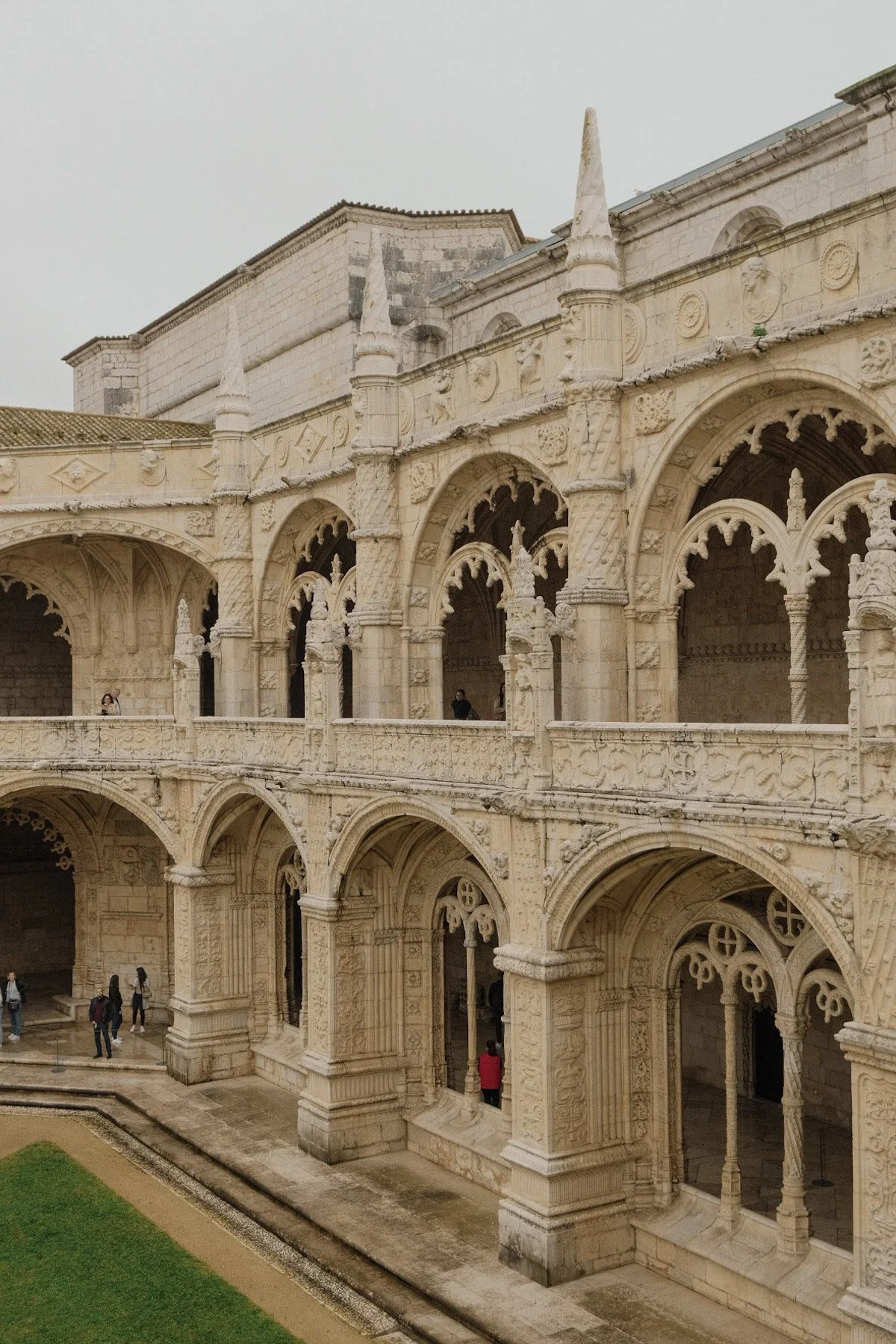

Book a ticket in advance, especially in high season. Even with a pre-booked ticket, expect a short queue.
Pre-book a ticket to Jerónimos Monastery here.
Pick up a pastel de nata at Pastéis de Belém
Pastéis de Belém is one of the oldest and most famous bakeries selling pastéis de nata. It was supposedly a recipe from the Jerónimos Monastery that trickled over to the bakery. There’s quite a queue here, but it’s possible to just buy a couple custard tarts to go, which come warm and packaged up with packets of cinnamon and sugar.
Marvel at the Belém Tower
The tower sits just off the coast with the river behind it, built in the Manueline style as a symbol of Portugal's seafaring ambition. It's worth seeing from the outside even if you skip going in. My favourite detail is a rhinoceros carved beneath one of the watchtowers. This animal arrived in Lisbon in 1515, a diplomatic gift from Sultan Muzaffar Shah II during negotiations over a Portuguese fort in India: the first rhinoceros seen in Europe since the Roman era. It didn't survive the journey on to Rome, but Albrecht Dürer made a famous print of it from a sketch and a written description, and the image became the definitive European picture of a rhinoceros for over a century. This one carving, on a tower by a river in Lisbon, is a small monument to the extraordinary reach of 16th-century Portuguese trade. I find these moments of unexpected cultural contact the most interesting things in any city.
Afternoon at the quirky LX Factory
The LX Factory is a cultural centre settled within a historic industrial site. This dynamic venue features an array of charming cafes, restaurants, trendy shops, and art galleries. It’s a lively spot full of gems to explore and a great place to get lunch — there are so many options you’ll see once you arrive.


After grabbing a bite to eat, explore the gorgeous design shops that fill LX Factory. Don’t miss the iconic bookstore Ler Devagar, a cavernous space filled with books from floor to ceiling. It has become a classic instagram spot over the years as well.
Dinner at the Timeout Market
After exploring LX Factory, grab another taxi to the Timeout Market which should be less than 15 minutes away. Timeout Market is a famous collection of Portuguese eateries, from fine dining to casual. There are lots of notable outposts here, for example from Chef Miguel Castro E Silva. Because there are so many options, it is good for a group of people who may each want to try something different.
I will so be honest with you though; when I visited the Timeout Market I became a bit overwhelmed and nothing in particular was speaking to me! So I decided to see what was nearby and stopped at Lupita, a tiny and gorgeous pizzeria that served up some of the best pizza I’ve ever had. I still think about the creamy mushroom pizza I got there.
Day 3: day trip to Sintra
Some realistic tips about visiting Sintra
Sintra is about an hour by train from Lisbon and easy enough to do as a day trip, despite everything you may have read to the contrary. I had worked myself into a mild anxiety about it based on crowd reports before we went. It was fine. We visited in February, which helped, but the key is managing expectations and not trying to see everything.

Visiting off-season makes a real difference. Summer will be busy; February was not.
The tours from Lisbon don't cover entry costs, which makes them expensive. The buses are straightforward and considerably cheaper. However, if you are visiting in high season and pressed for time, you can find tours that will take you to see the highlights, such as this highly-rated one.
Pick two or three sites. Three is ambitious but possible. We skipped Pena Palace and visited Quinta da Regaleira and Montserrate instead, which are on the same bus route.

Getting there and around
Trains run regularly from Rossio station (also from Orientale). The ticket costs less than 5 euros. At the station in Sintra, turn right to find the bus stops. The 434 bus goes up to Pena Palace; the smaller 435 goes to Montserrate and Quinta da Regaleira, which is the route we took. A day bus pass costs around 15 euros.
We packed breakfast pastries and sandwiches rather than stopping for food, which saved a lot of time and decision-making.
I found this site really helpful in researching the details of visiting Sintra.
Quinta da Regaliera
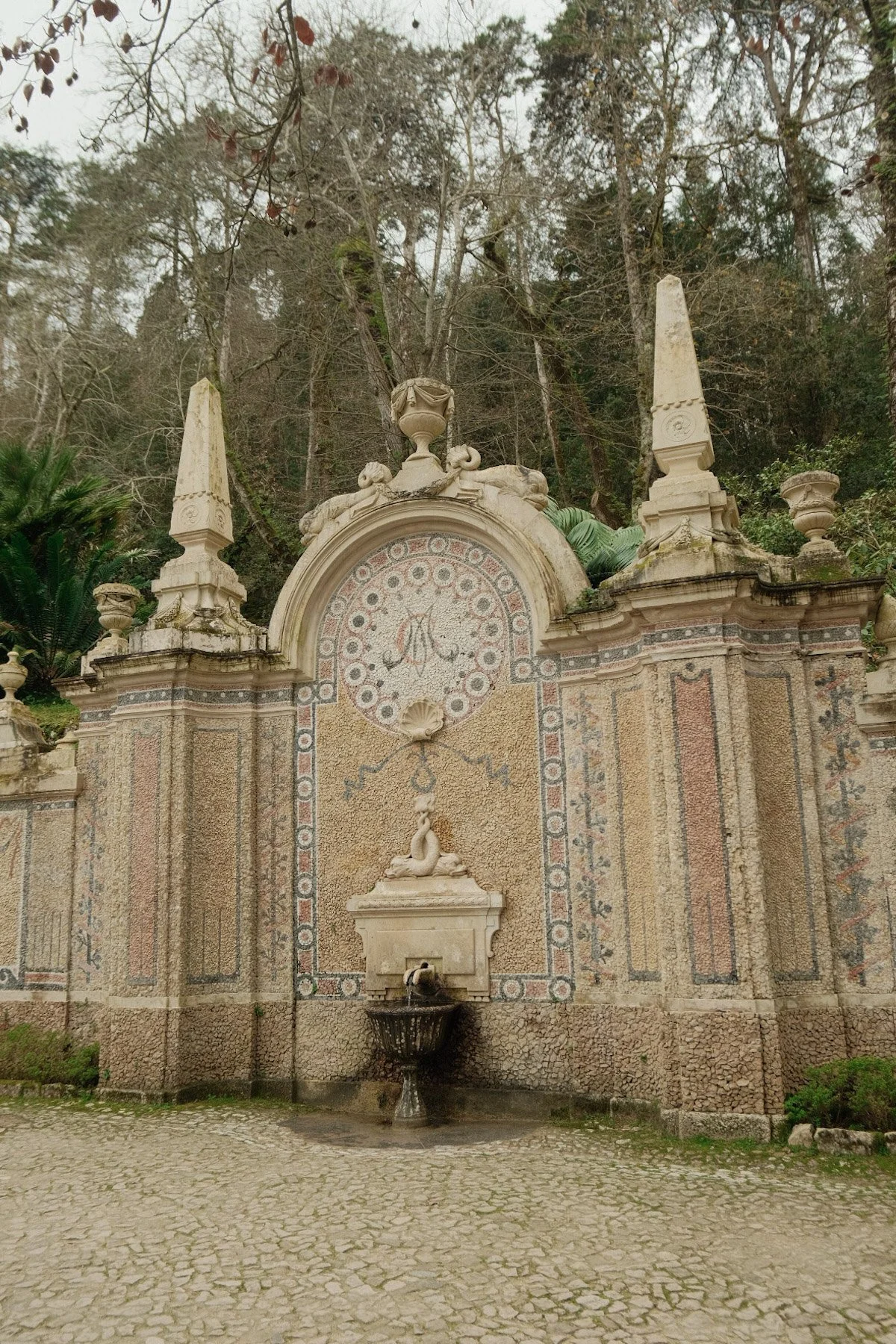
The mystical Quinta da Regaliera was one of my favourite stops on the entire Lisbon trip. It is not as old as it seems, and was built in the early 1900s by Carvalho Monteiro, a wealthy Brazilian businessman. The blend of architectural styles is fascinating here, as it has a gothic influence but a quirky Manueline style typical of Portuguese architecture.

The house is small but spectacular (mostly on the exterior) but the gardens are the main draw. Adorned with follies, the terraced gardens are full of hidden spots. The Initiation Well is the most well-known feature of the gardens, and is a deep spiral staircase which leads underground to a series of grottoes.


We had so much fun exploring the nooks and crannies of this magical place. It is a must-see when in Sintra.
It wasn’t too busy when we visited, but I know it definitely can be. If you’re not visiting in the middle of February like we did, it might be worth booking in advance!
Montserrate
Montserrate is a lesser-known site in Sintra, but one that I found intruiging to visit, so we decided to make a stop after Quinta da Regaliera. This was easy because the one-way bus route stopped here before heading back to town.


Montserrate is a 19th century house and estate bought by Sir Francis Cook, an English businessman. He turned the 16th C site into a palace which blends gothic, Indian, and Moorish architectural styles. The lush gardens surrounding the palace were designed by William Nevill and even include a waterfall.
Montserrate was interesting to explore but not nearly as magical as Quinta da Regaliera. I’d see it if you have time, but don’t make it a priority.
Sintra Town
The town of Sintra is many centuries old, and its winding small streets are fun to explore. We only visited for about an hour before heading back to the train, and felt that this was enough time to see it.

There is a famous pastry shop here called Casa Piriquita which was a charming 19th century ambiance. We got some delicious warm pastries here to walk around the town in, but it is worth sitting in the historic dining room as well.
Shopping and a late dinner in Lisbon
After heading back on a train to Lisbon, we explored the area around the train station which is home to several super charming shops.

All three of these shops are on the same block between R Garret and R Capelo:
Livreria Bertrand: tile-clad bookstore which is the oldest operating in the world according to Guinness World Records
A Vida Portuguesa: truly the most charming shop imaginable in which to buy Portuguese souvenirs. Filled with artisan goods that feel like treasures.
Cerâmicas na Linha: exceptionally good value ceramics which you can have shipped home for you.
Some good dinner options nearby in Chiado: Rocco, Taberna da Rua das Flores, Ofício, Peixola.
Day 4: Art and history
Brunch in Principe Real/Barrio Alto
Brunch is so good in Lisbon that it’s time for another round.
We had brunch at Marquise de Mobler, which was very cute and charming. There are some other fantastic options in the neighbourhood, some of which are repeats from my list earlier in the post.
Seagull Method
Magnolia Bistrot (also looks gorgeous for dinner)
JAC Brunch


Shopping
The design shops around this neighbourhood are some of the best in Lisbon. Worth browsing: EmbaiXada (a collective of Portuguese designers in a beautiful palace), Solar Antiques, Livraria da Travessa, New BoBo Lisboa (expensive but visually extraordinary to walk through), Amazingstore, Loja Real.

EmbaiXada
Carmo Convent
About ten minutes' walk back towards the centre. The original church was built in the 14th century and largely destroyed in the 1755 earthquake that levelled much of Lisbon. Rather than rebuild, the space was kept as a ruin, and the roofless Gothic nave now houses a small museum of archaeological objects from around the world: Egyptian mummies, pre-Columbian artefacts, Roman stonework. The combination of ruined Gothic architecture and global collection is genuinely unusual. It takes about an hour and there's usually a short queue for tickets.
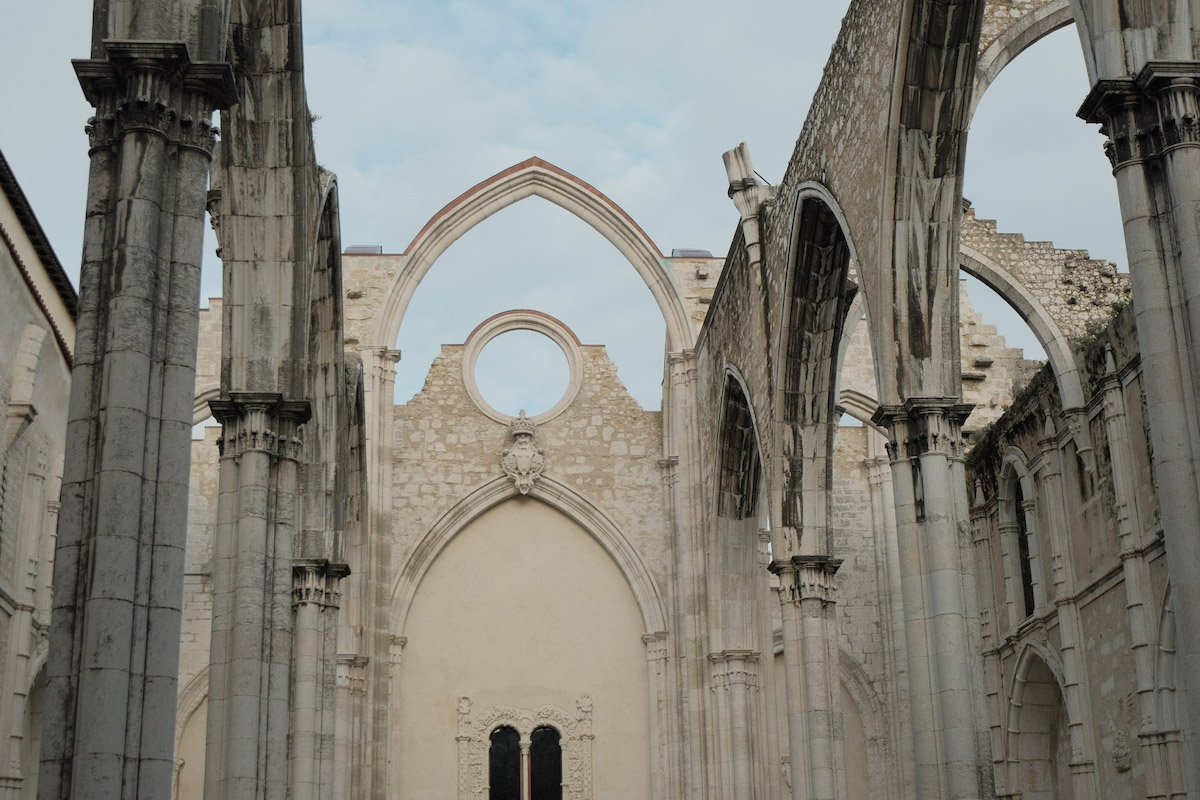
On the way, look out for Casa do Ferreira das Tabuletas on Rua Trindade: a historic house covered entirely in painted tiles. Easy to miss and worth pausing for.
Calouste Gulbenkian Museum
The Calouste Gulbenkian is one of my favourite art museums in the world. The main collection is closed for renovations until July 2026, but the new Centro de Arte Moderna Gulbenkian (a modern wing) is open now, so I would suggest seeing that instead.

Inside, the museum's collection, though relatively small, is beautifully coherent and carefully curated. You'll find a unique blend of Eastern and Western art spanning over 4,000 years—everything from Egyptian antiquities to European decorative arts, Asian ceramics, and masterpieces by artists like Rembrandt and Monet. The intimate scale means you can truly appreciate each piece without feeling overwhelmed.

Don’t miss the surrounding gardens, designed with a Japanese sensibility that emphasizes natural beauty and calm. Pathways wind around serene ponds, shaded benches, and thoughtfully arranged plantings, providing a peaceful, almost meditative space.
I loved this museum - it was one of the best small museums I’ve ever visited.


Final dinner
Enjoy a final dinner in one of the restaurants recommended throughout the post. Even better if you can find a nice view to enjoy the city before heading home.

4 days in Lisbon
Lisbon spoils you in a specific way. The architecture keeps delivering, the food is consistently better than you expect, and the city has a warmth and ease to it that makes four days feel less like a trip and more like the beginning of a familiarity. We kept finding new things to look at while also feeling completely at home, which is a combination most cities don't manage. If you care about design, art and eating well, it will give you more than enough to be getting on with.
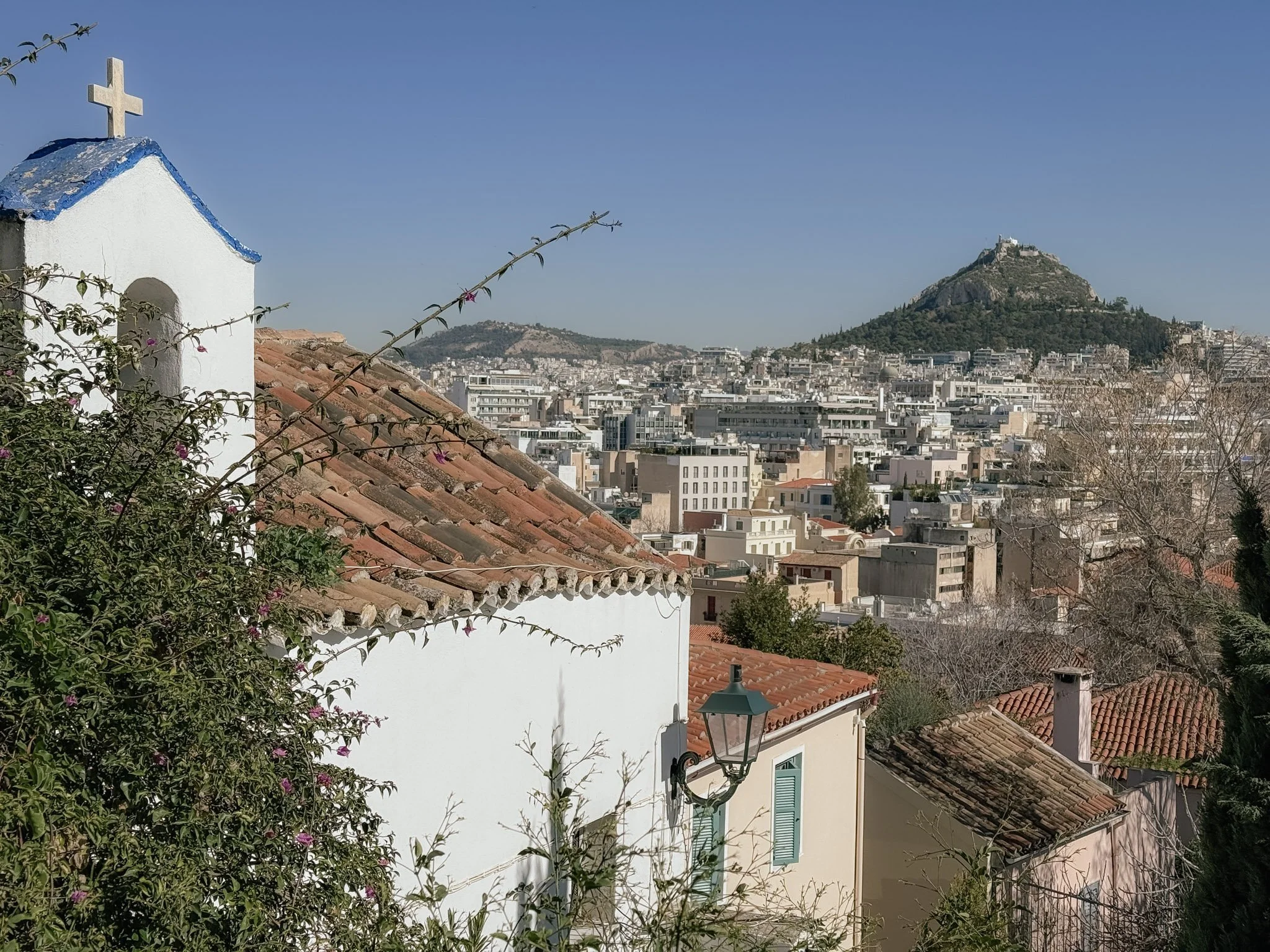


The ancient sites are quiet, the food is extraordinary, and February in Athens turns out to be one of the better-kept secrets in European winter travel.