Things to do in Lille for art and architecture lovers
Disclosure: This post contains affiliate links. I earn a small commission on every purchase made at no extra cost to you.
Lille had always sat in my mind as a grey, industrial place—somewhere on the Eurostar route, but not a city I’d ever paid much attention to. That changed when I discovered it hosts Europe’s largest flea market which is held each September. From there, I started looking more closely, and quickly realised how wrong my assumptions had been.

Vieille Bourse Book Market
Lille sits in French Flanders, right on the border with Belgium, and it shows. The city has more in common with Brussels or Normandy than it does with Paris - red brick instead of pale stone, stepped gables, buildings of different heights and styles all mixed together. So many streets are pedestrianised that there's a constant buzz of people, but it feels relaxed rather than rushed. Cafes spill onto the pavements, and the rhythm of the city stuck with me after just one weekend. The food, art, and architecture alone make it worth the trip.
Why visit Lille?
From London, Lille is one of the easiest weekend trips you can take. The Eurostar takes about 90 minutes, with several trains a day. It's quicker than flying, and you avoid airports like Stansted entirely - the train there alone costs over £30 return. Eurostar tickets are often cheaper than Paris, too. The station in Lille is central, and once you arrive, the whole city is easy to get around on foot.
I found Lille manageable for a weekend, especially if you like to walk and take your time. It has a friendly, local feel—less busy than the big-name destinations, but full of charm. There's no pressure to tick off a long list of must-sees. Instead: pedestrianised streets, excellent bakeries, and La Piscine, an Art Deco pool turned museum about 30 minutes away by metro. It feels like a real city, not just one curated for visitors.
Watch my Lille vlog
I made a vlog of my weekend in Lille, so I recommend watching it for a feel of the city during the summer!
Where to stay in Lille
I recommend staying somewhere simple and affordable, as you’ll probably only be here for a weekend.
CALM Appart' & Hostel: clean and well appointed in a central location
Hotel De La Treille: in a perfect location near some of the best streets in Lille
Mama Shelter Lille: buzzy and stylish
Clarance Hotel Lille: if you’re looking for a luxury stay
Here’s what I’d recommend seeing and doing in Lille:

Grand'Place
Lille’s main square, officially known as Place du Général de Gaulle, is a lively focal point in the heart of the city. It’s surrounded by grand Flemish-Baroque buildings, including the Vieille Bourse, and is a great place to sit with a coffee and take in the atmosphere. The square often hosts events, and on a sunny day it’s full of people relaxing or meeting friends.


Stop at the Vieille Bourse Book Market
Inside the courtyard of the old stock exchange, the Vieille Bourse, you’ll find secondhand book and print sellers set up beneath the 17th-century arcades. It’s a lovely, atmospheric spot to browse, and when I visited, there were chess games going on by the mirrored orb sculpture in the centre. My favourite stalls had vintage toys and old educational illustrations—great to flip through, and even better if you’re looking for something to frame or take home as a souvenir.
Wander the streets of Vieux-Lille
Explore the cobbled lanes of the old town which are filled with charming bakeries, beautiful shops and unique architecture. Something I really like about Lille are the charming street signs hanging above all these historic streets -- so you'll always know where you are.

Rue de la Clef
A small street bustling with a few popular cafes.
Rue de la Monnaie
A long, larger street filled with restaurants and designer shops. The Musée de l'Hospice Comtesse (contemporary art gallery) is just off this street -- more about it later.


Passage des Arts
Also known as Rue de Vieux Murs. It is home to several art galleries, brunch spots, estaminets (Flemish restaurants) and an excellent bakery called L'Ogre de Carrouselberg.
Rue Basse
Home to many fancy designer shops, including the beautiful Louis Vuitton shop covered in sea-themed mosaics.
Visit the Palais des Beaux-Arts

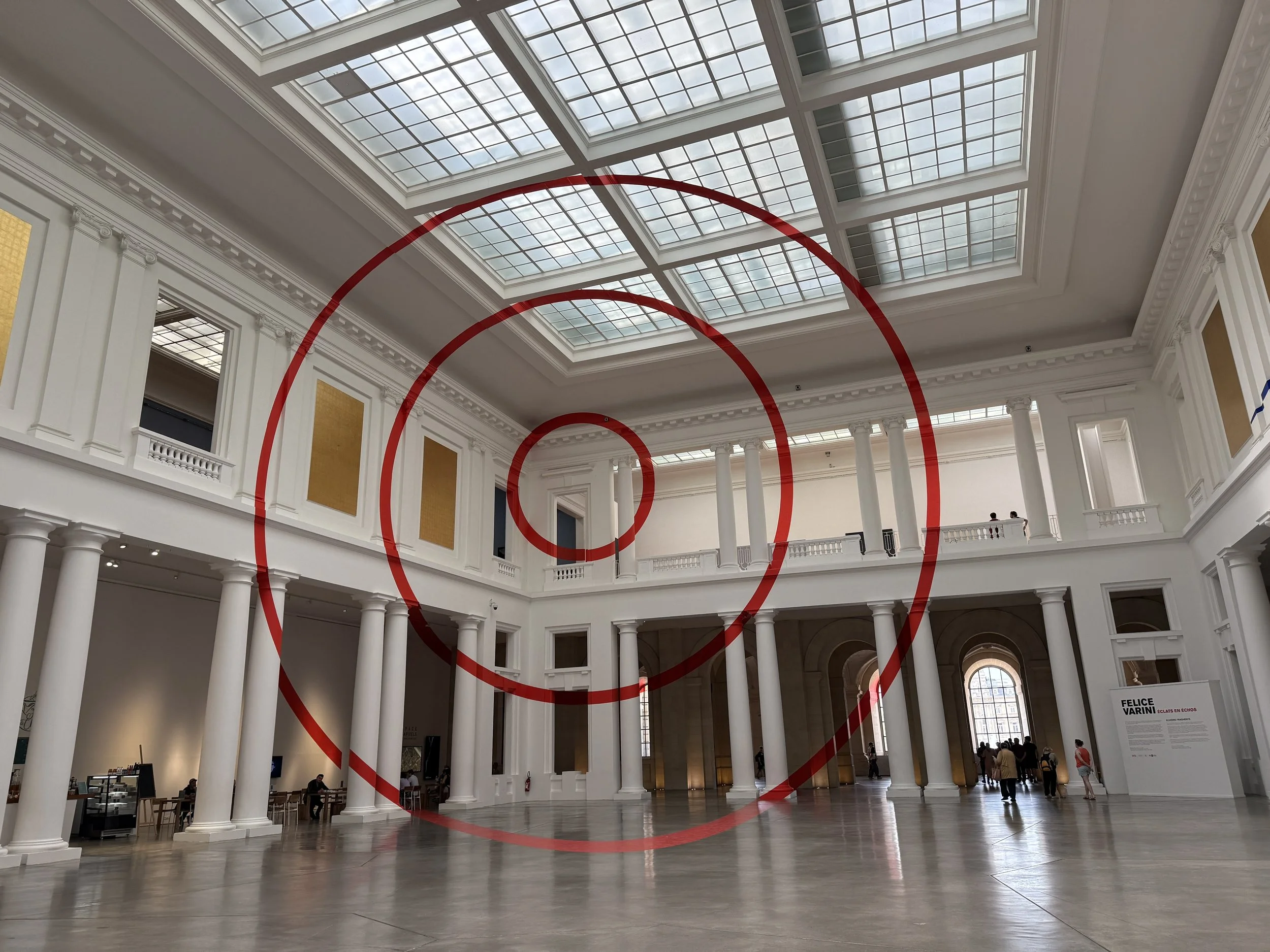
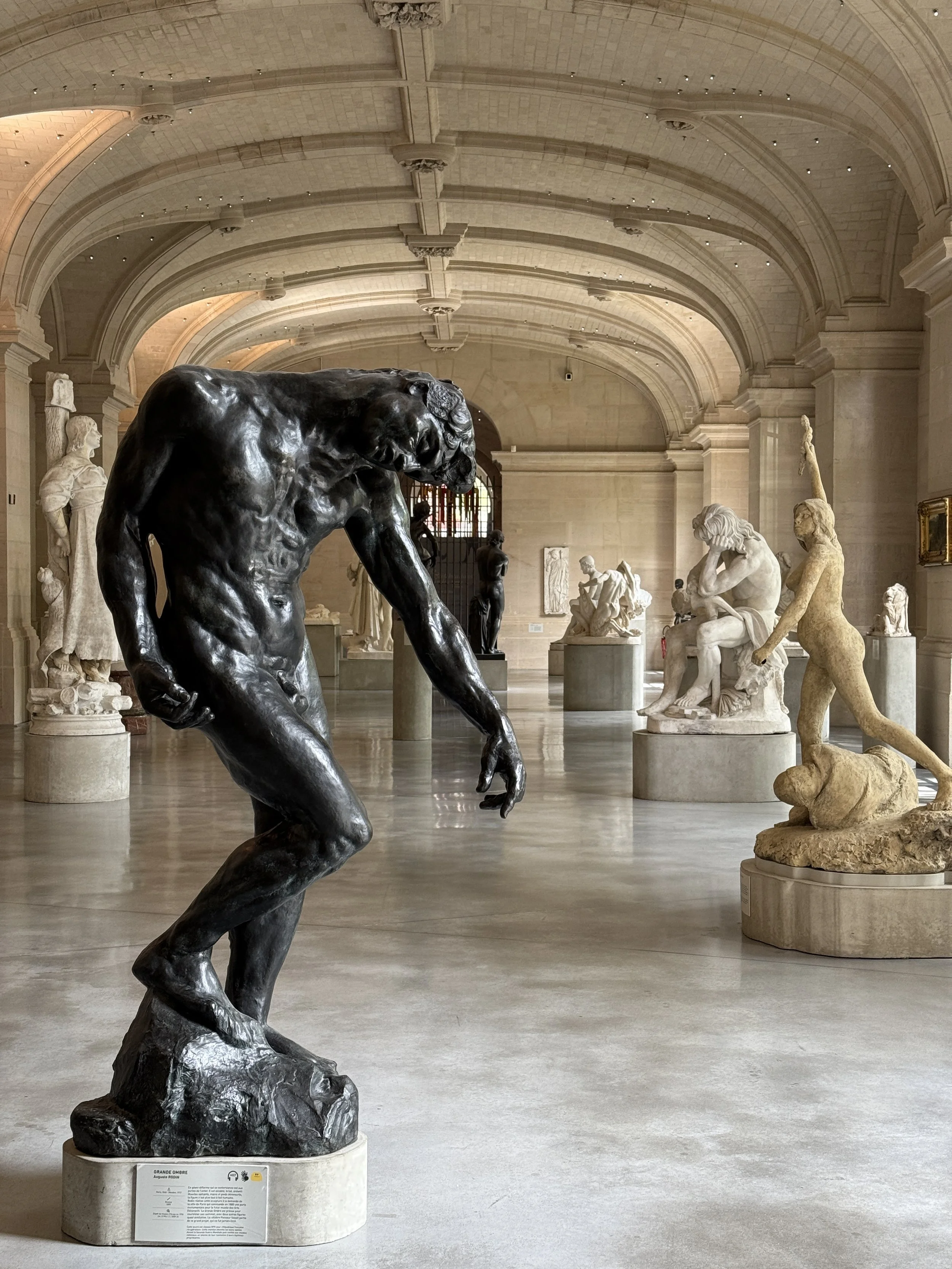
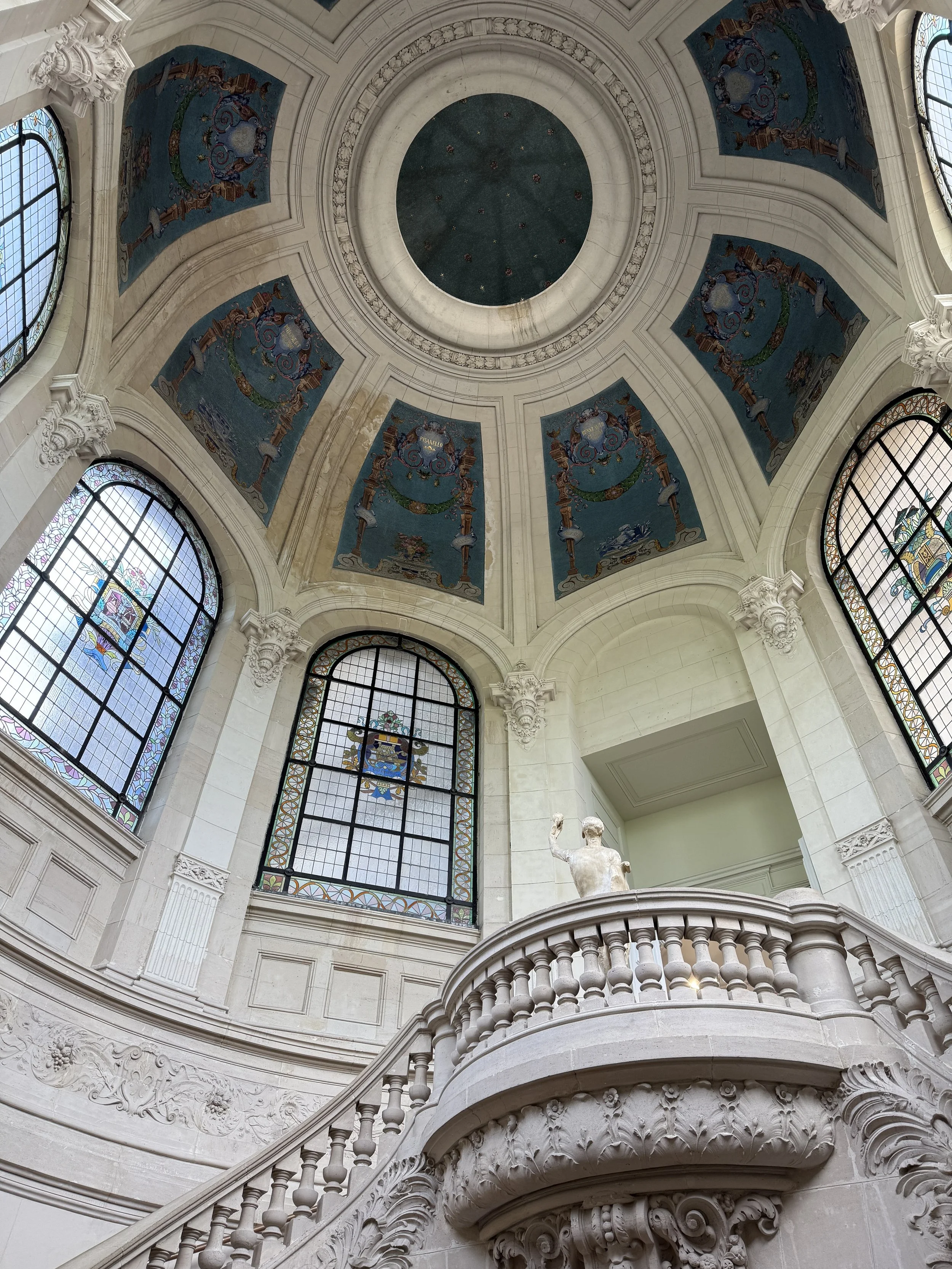
Lille's major art museum and one of the most important in France outside Paris. It holds a strong collection ranging from the Renaissance through to 20th-century painting, including works by Rubens, Goya, Courbet and Delacroix. The building itself has a grand scale, with tall galleries and large-scale paintings well spaced out. I liked that the museum is manageable in size—you can see the main collection in about 90 minutes. When I visited, there was a temporary installation using optical illusions that played with the building's architecture, which was unexpected and fun.

Citadel and Parc de la Citadelle
A huge green space surrounding the 17th-century Vauban fortress, the Citadel Park is a central part of daily life in Lille. On a sunny Sunday morning, it was full of people walking, jogging, cycling, or just enjoying the open air. There are boat rentals if you want to explore the canals, and some larger guinguette-style boats offering drinks and snacks. The citadel itself is a functioning military site, but the park around it is open and very popular. There’s also a small zoo and an amusement area for children, making it a good stop if you’re visiting with family or just want a break from the city streets.
La Piscine Museum (Roubaix)
La Piscine is housed in a former Art Deco swimming pool in the suburb of Roubaix. The pool itself has been beautifully preserved, with a stretch of water still running through the centre, lined with sculptures against the original blue and gold mosaic tiles. The old changing rooms around the edges have been transformed into galleries displaying ceramics, textiles and fashion. It is one of the most memorable museums I’ve ever visited, and a big motivating factor for me to visit Lille.


Other wings of the museum house a surprisingly rich collection of painting and 19th- and 20th-century sculpture. One highlight is the recreated studio of sculptor Henri Bouchard, with plaster casts and tools laid out as though he’d just stepped out.

It’s easy to get there on the metro from Lille - it takes about 30 minutes. Roubaix itself has an interesting industrial past and if you have time, you can also stop by Ateliers Jouret, a former textile space now home to working studios and galleries. There’s also a large mural of Camille Claudel nearby, a nice nod to one of France’s most fascinating sculptors.
Wazemmes Market
A vibrant, multicultural market that feels more local than touristy, and full of energy. It’s best on Sundays, when the entire square and surrounding streets come alive with food stalls, fresh produce, flowers, spices, and household goods. But it’s also open on Tuesdays and Thursdays if you want to avoid the busiest crowds. You’ll find everything from Moroccan pastries and rotisserie chickens to rolls of colourful fabric and bargain baskets of herbs. It’s a great place to pick up something for lunch or simply take in the atmosphere.
Lille Cathedral and Église Saint-Maurice
Lille Cathedral, also known as Notre-Dame de la Treille, is one of the more unusual cathedrals in France. The building was started in the mid-19th century but only completed in the 1990s, so its architecture blends neo-Gothic structure with a modern facade in pale stone and translucent marble. Inside, the stained glass windows cast soft light across the floor, and when I visited, a choir was rehearsing, which made the whole space feel peaceful.


Just a short walk away is the Église Saint-Maurice, a beautiful late Gothic church dating from the 14th to 19th century, built in stages over several centuries. It has tall vaulted ceilings, narrow columns, and delicate stained glass throughout. The atmosphere is quieter here and the stained glass is luminous with its jewel like colours against the dark stone.
Musée de l'Hospice Comtesse
Set in a former medieval hospital founded in the 13th century by Countess Jeanne of Flanders, this museum sits just off Rue de la Monnaie. The building still feels monastic in parts, with a chapel, cloisters and vaulted ceilings all preserved from its former life. Today, it hosts a rotation of contemporary exhibitions, often installations or photography, in rooms that feel both quiet and characterful. It’s not a huge museum, but that makes it easy to explore without feeling like a big commitment.
Charles de Gaulle's Childhood Home
Just a short walk from the old town, you can visit the house where Charles de Gaulle was born in 1890. The house has been turned into a small museum with rooms preserved in period detail, offering a glimpse into the early life of one of France’s most iconic figures. There’s also a small garden and a thoughtful display of letters, photographs, and personal items that give a sense of the world he grew up in.
Estaminets and Flemish Food
Lille has a rich food culture shaped by its Flemish roots. Estaminets are traditional northern taverns—usually cosy, wood-panelled spaces serving hearty, regional dishes and plenty of beer. You’ll find them all over the city, often tucked into little squares or side streets, and they’re a great place to try local specialities like carbonade flamande (a slow-cooked beef stew in beer), potjevleesch (terrine of white meats in vinegar jelly), or anything made with Maroilles cheese.
Estaminet La CH’TITE BRIGITTE
One of the most well-known estaminets in Lille, with plenty of seating and good value dishes. I loved the Flemish stew and the leek flamiche, and the chicken with Maroilles cheese was rich and comforting.

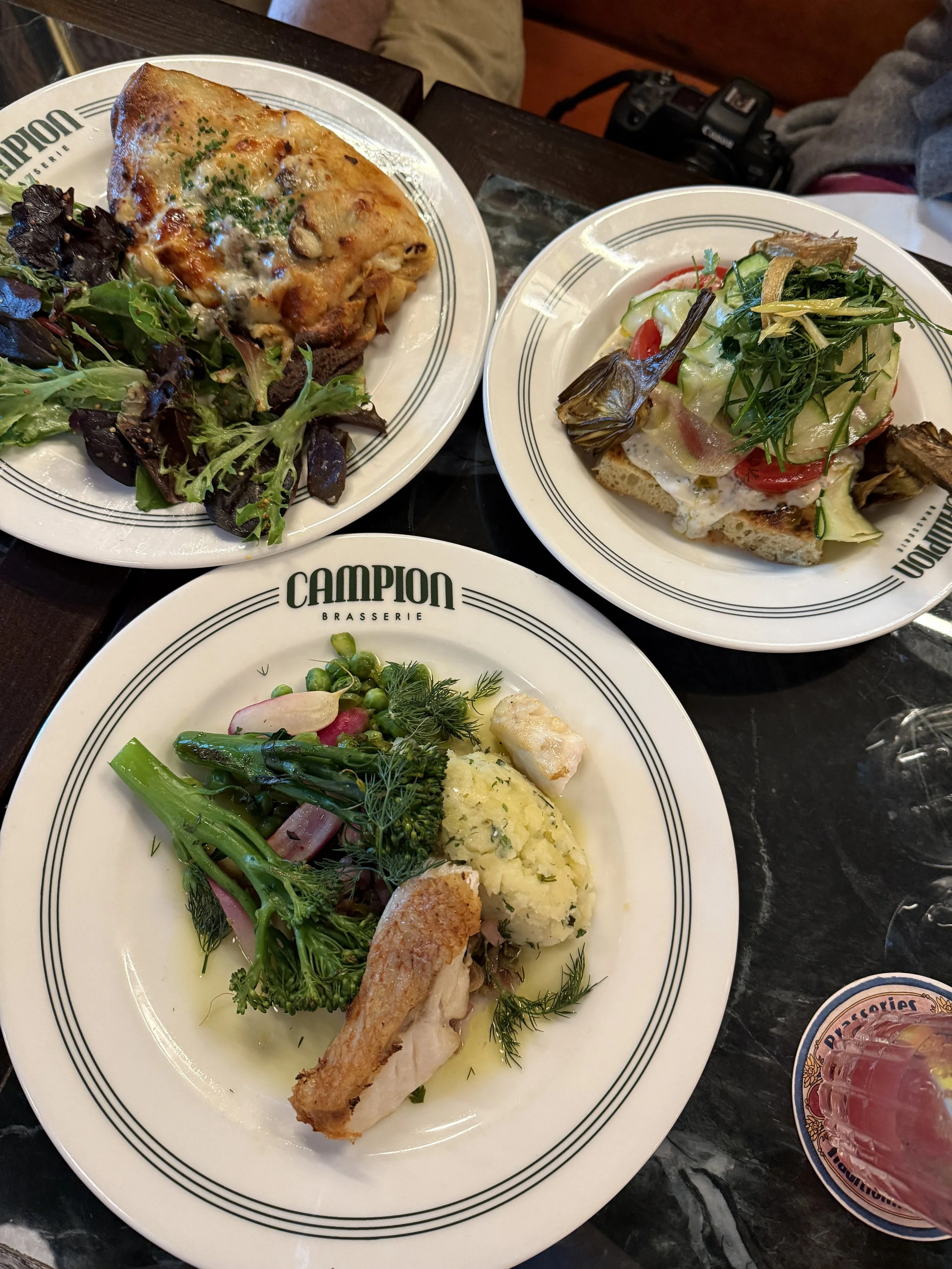
Brasserie Campion
A more elegant space with a vintage feel—less of a traditional estaminet and more of a stylish brasserie. The food was seasonal and well done. I had the white asparagus and sea bass, and both were excellent for the price.
Other restaurants on my list to try in Lille:
Bloempot
Estaminet Au Vieux De La Vieille
Bistrot Brigand
Restaurant Suzanne
Bakery Crawl
Lille has excellent bakeries and patisseries, and I spent most of my weekend happily visiting as many as I could. If you’re the type of traveller who plans their route around pastry stops, these are worth adding to your list.
The French Bastards
Well known in Paris, this is a high quality bakery offering buns, pastries, and sandwiches. Great if you want something easy but very good.
Méert


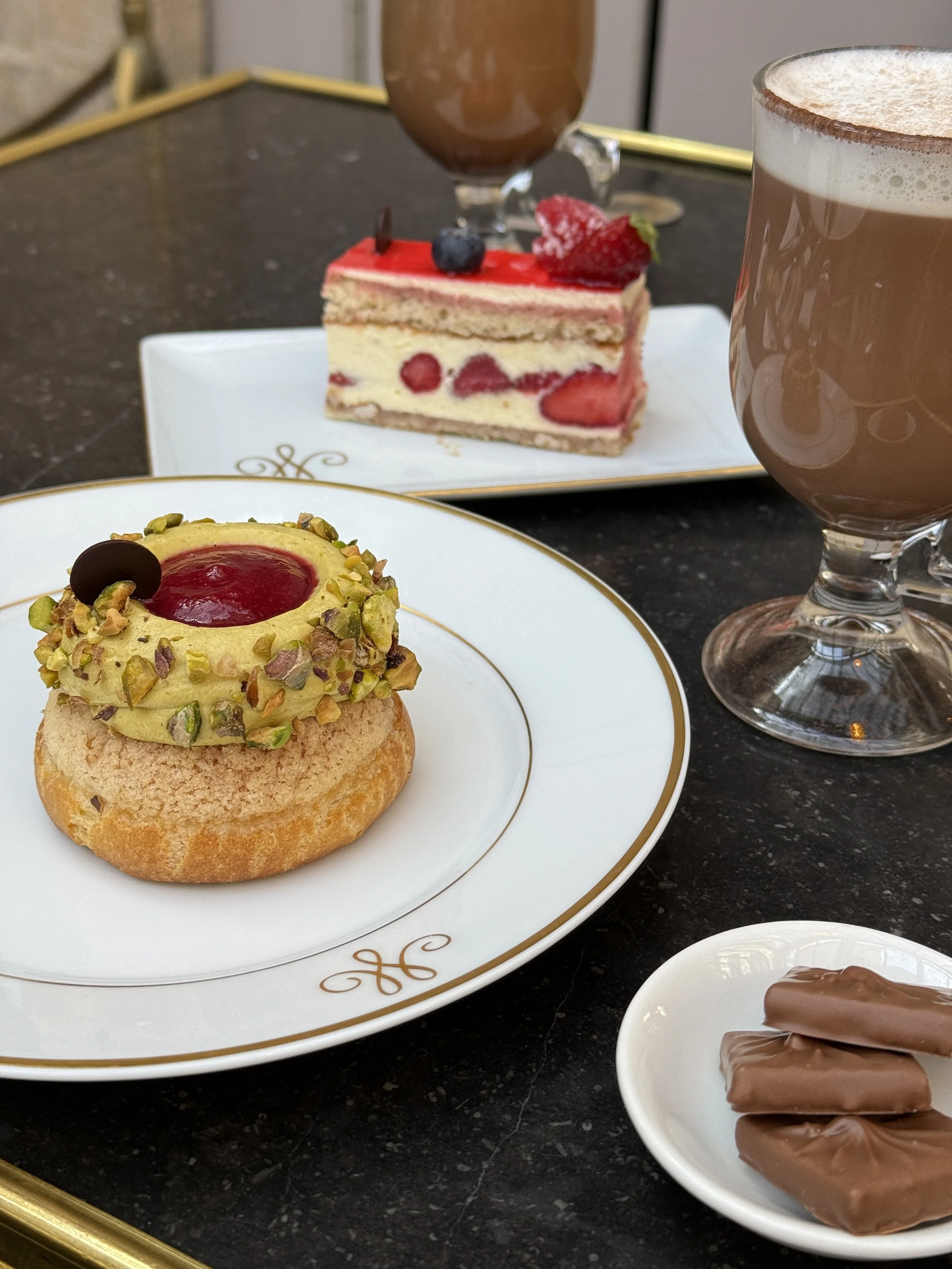

A 17th-century patisserie and tea salon, famous for their filled waffles—I tried the pistachio and cherry, which was my favourite. This was apparently Charles de Gaulle’s go-to treat, and the historic shopfronts and interior still feel grand but welcoming. In the back, there’s seating for teas and patisserie. We had the iced version of their hot chocolate, which was one of the best I’ve had.
NEJA
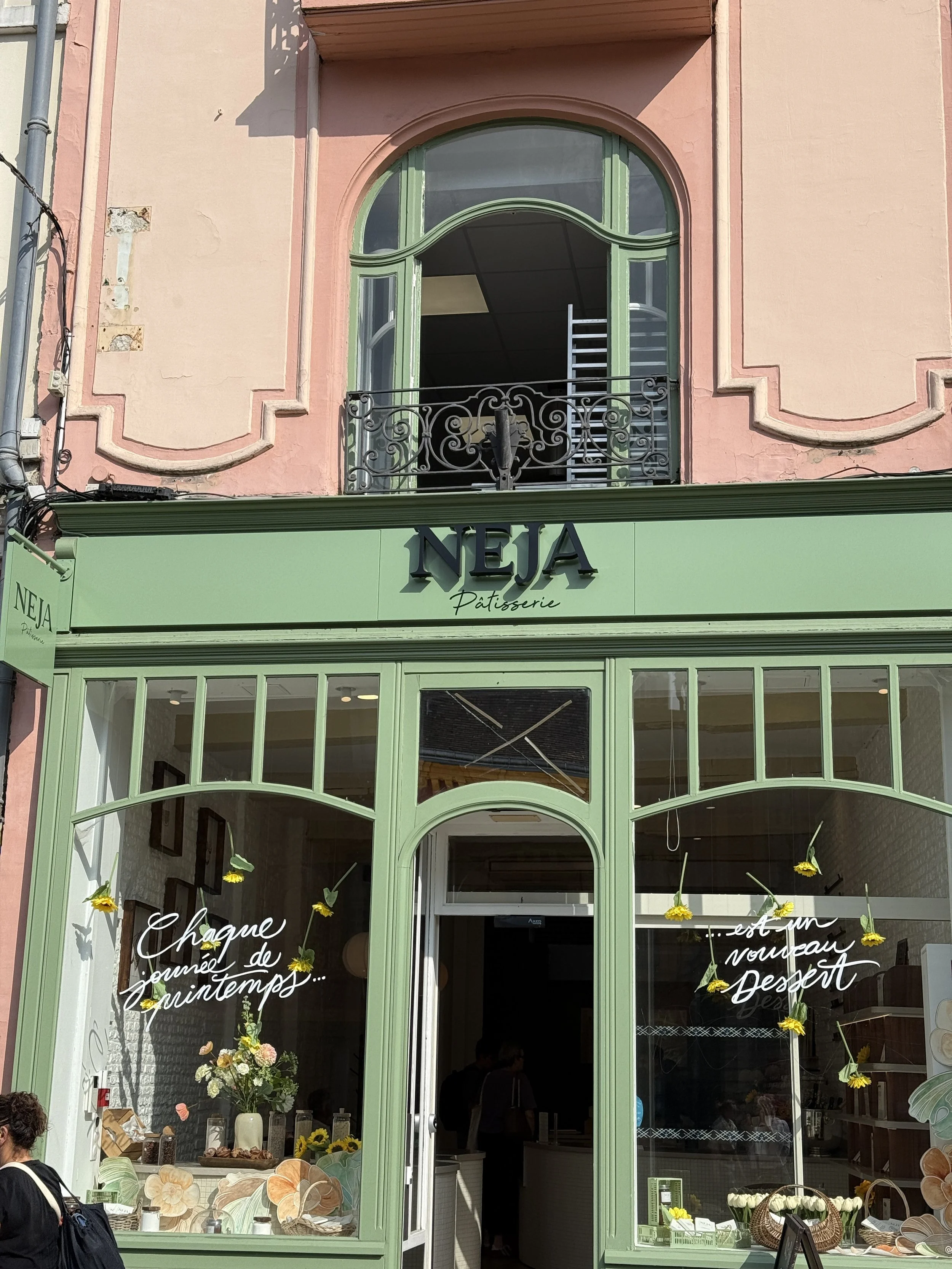
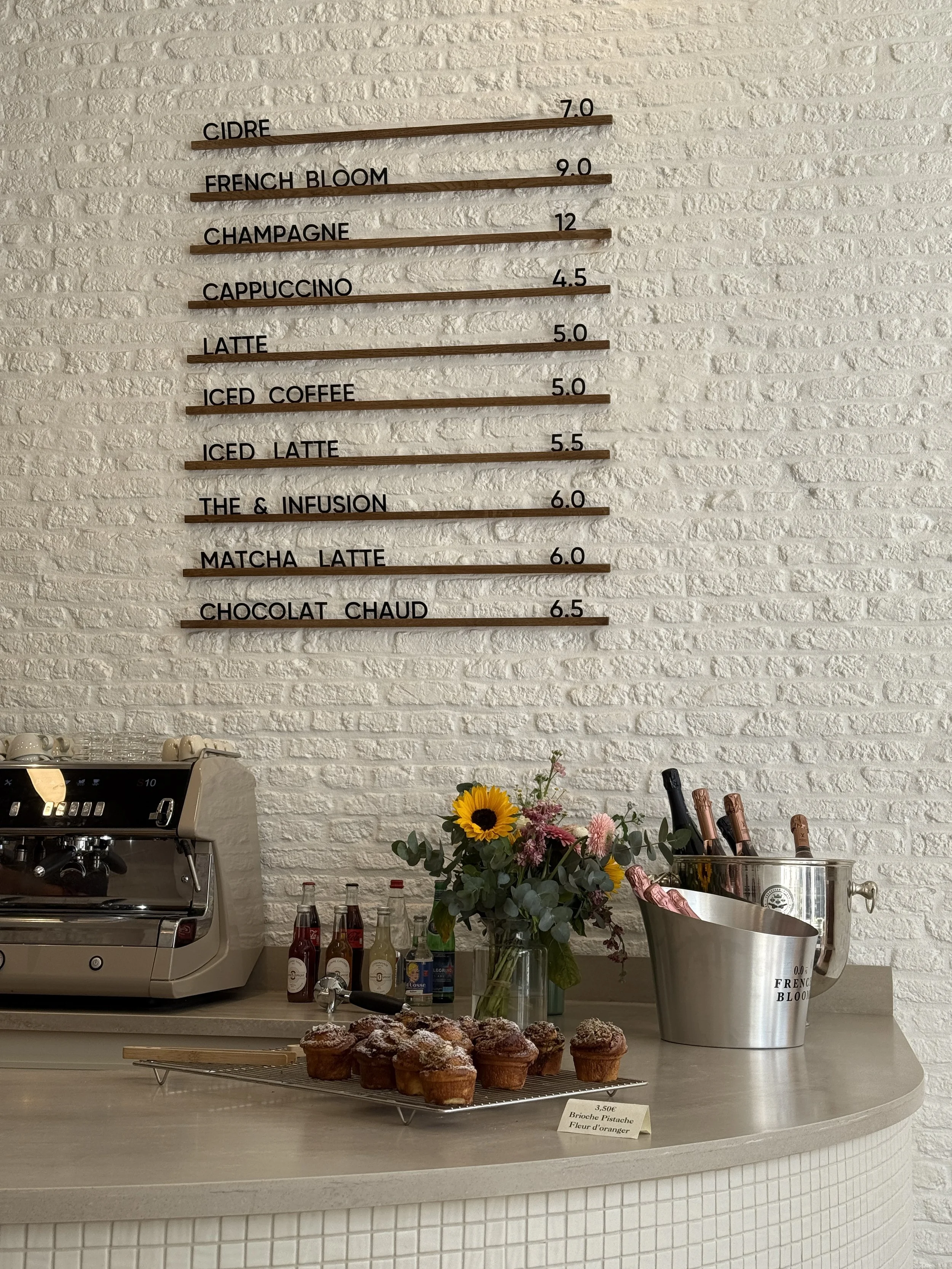
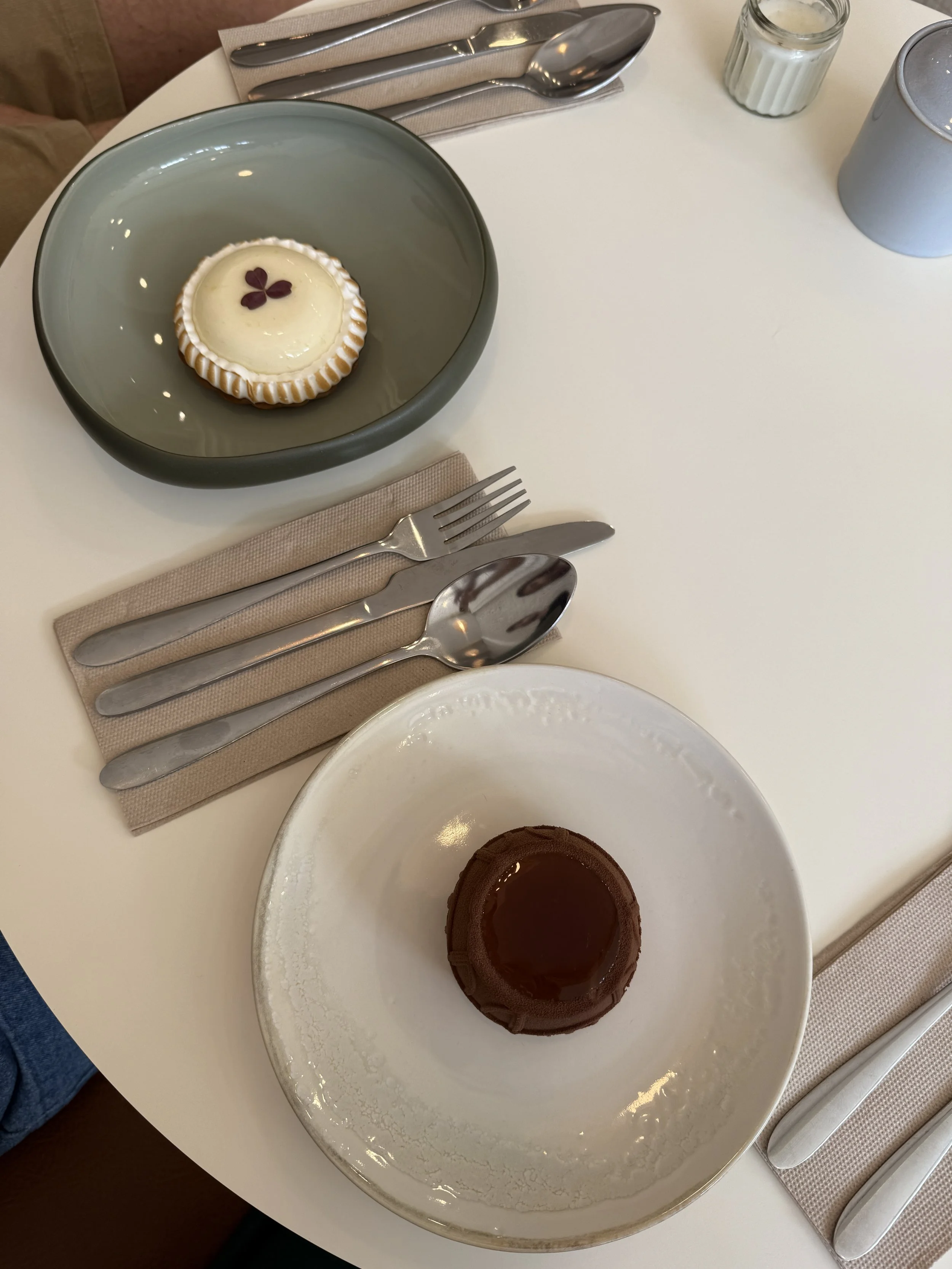
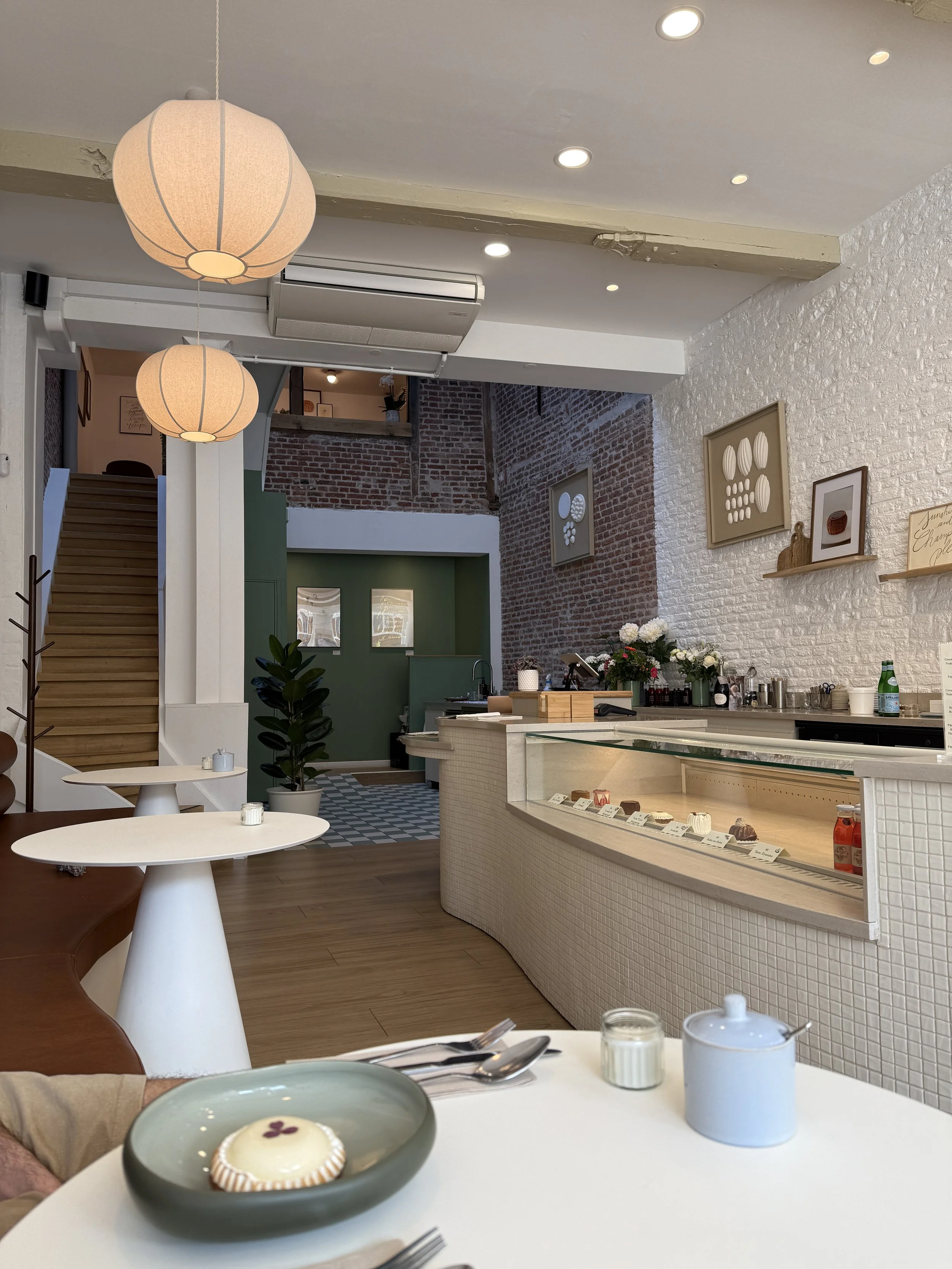
A contemporary patisserie with beautifully made, intricate desserts. A little pricey, but the flavours are very well balanced. The chocolate dessert with apricot jelly was my favourite, and I also liked the yuzu tart. Staff were warm and friendly.
L'Ogre de Carrouselberg


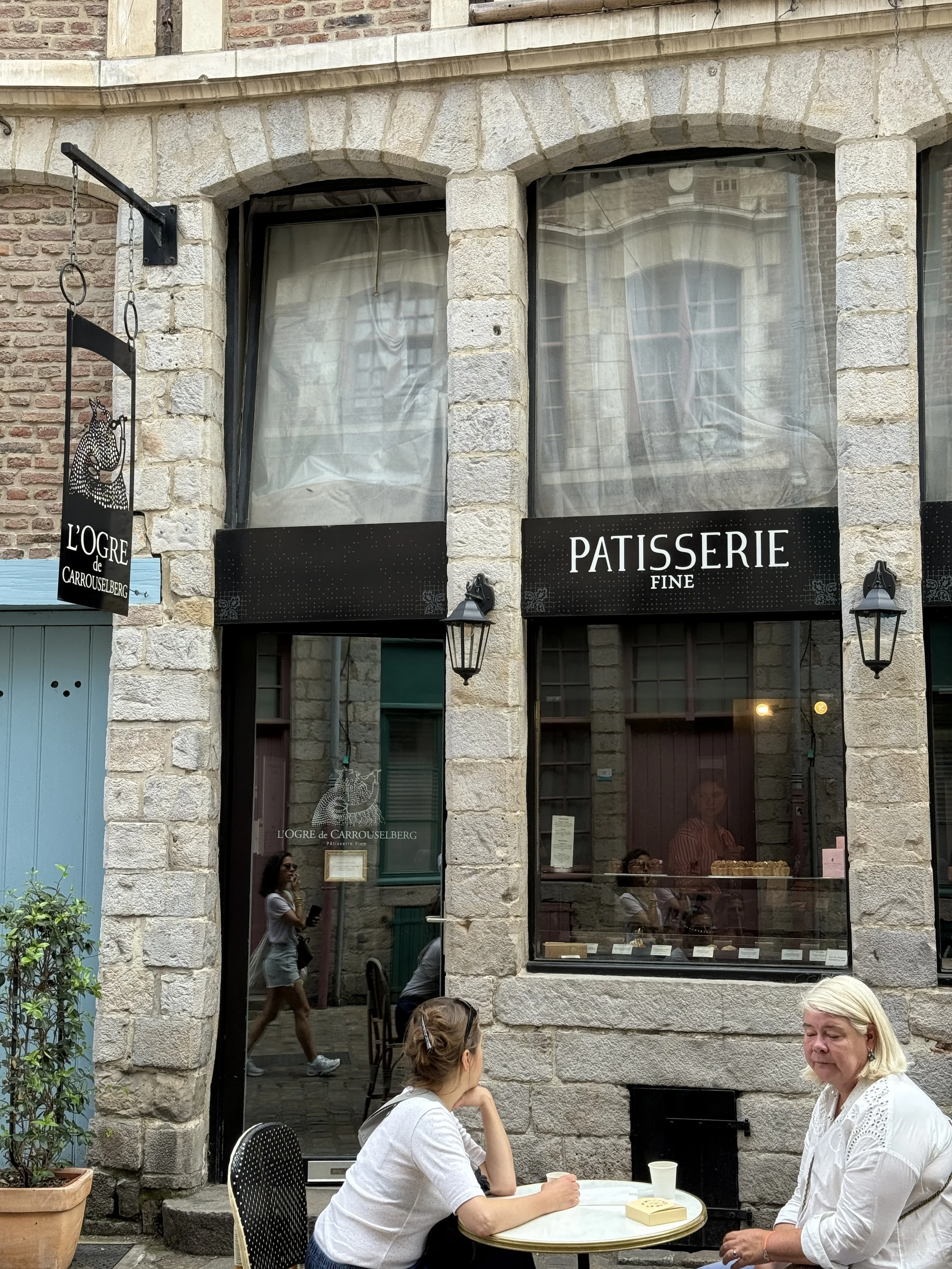
A small, creative bakery turning out delicate patisserie. The pot au fraises was especially good.
Bakeries on my list for next time:
Oxalis et Bergamote
Maison Scarlett
Pâtisserie Croquet
Sylvana Briocherie Gonflée
Grande Braderie de Lille
Held every September, the Grande Braderie de Lille is said to be the largest flea market in Europe, and it completely takes over the city for a weekend. Thousands of stalls line the streets selling everything from antiques and vintage furniture to books, vinyl, and bric-a-brac. Shops clear out their basements, locals empty their attics, and the atmosphere turns festive, with mussels and fries served in every estaminet and live music spilling into the streets.
I haven’t been yet, but it’s the kind of event that makes me want to plan my next trip around it. If you’re thinking about visiting Lille, September would be a brilliant time to go.


Planning a trip to Lille
A weekend is enough to get a real feel for Lille - the museums, the streets, the bakeries. But I'd go back in a heartbeat for the Grande Braderie in September. If you're based in the UK and looking for an easy city break by train, this is one of the best. It's compact, walkable, and full of the kind of details - architecture, food, neighbourhood atmosphere - that make a place stick with you.


A guide to the beautiful streets and architecture of Montpellier, France.