
Charming things to do in Richmond, London (a local’s guide)
Disclosure: This post contains affiliate links. I earn a small commission on every purchase made at no extra cost to you.
Somehow Richmond still looks like a film set to me, even after years of visiting. The Georgian terraces, the deer park, the river on a good day: it is London as you hope it will be before you've actually lived here. I've lost count of how many times I've wandered its streets and come away feeling like I've had exactly the day I came for.
Richmond sits further out than most people want to travel on a day off, which is exactly why it doesn't feel like central London. It's greener, quieter, and less hurried, without being the kind of place that has given up on the city entirely. Somehow Richmond manages to offer both things at once: the buzz and density of the city, and views across parkland and river that could belong to somewhere entirely rural.

Getting to Richmond
Richmond is towards the outskirts of South West London, meaning it can take a bit of time to get to from Central. But, it is very well connected with several modes of transport.
By train: South Western Railway from Waterloo drops you directly into the town centre.
By tube: Richmond is on the District line and the Overground, straightforward from west and central London.
By boat: Thames Clippers run river services to Richmond. Slower than the train, but a good reason to take the long way on a nice day.
Gardens, parks and viewpoints in Richmond
One of Richmond’s great strengths is how much green space it offers within such a compact area. From elevated viewpoints to formal gardens and vast parkland, these are the places that shape a day out here.
Richmond Hill
Richmond Hill is one of the few views in London protected by an Act of Parliament, which tells you something about how good it is. Turner painted it; Reynolds lived close enough to walk up regularly. Standing here, with the Thames looping away below and the landscape opening out beyond it, both decisions make obvious sense. The Thames loops away below in a wide arc, and there is a particular quality of light in the late afternoon — especially in autumn — that makes you understand why people kept returning to paint it.

Terrace Gardens
Just below Richmond Hill, Terrace Gardens feels like a quieter continuation of the viewpoint above and is well worth the short walk down the hill.

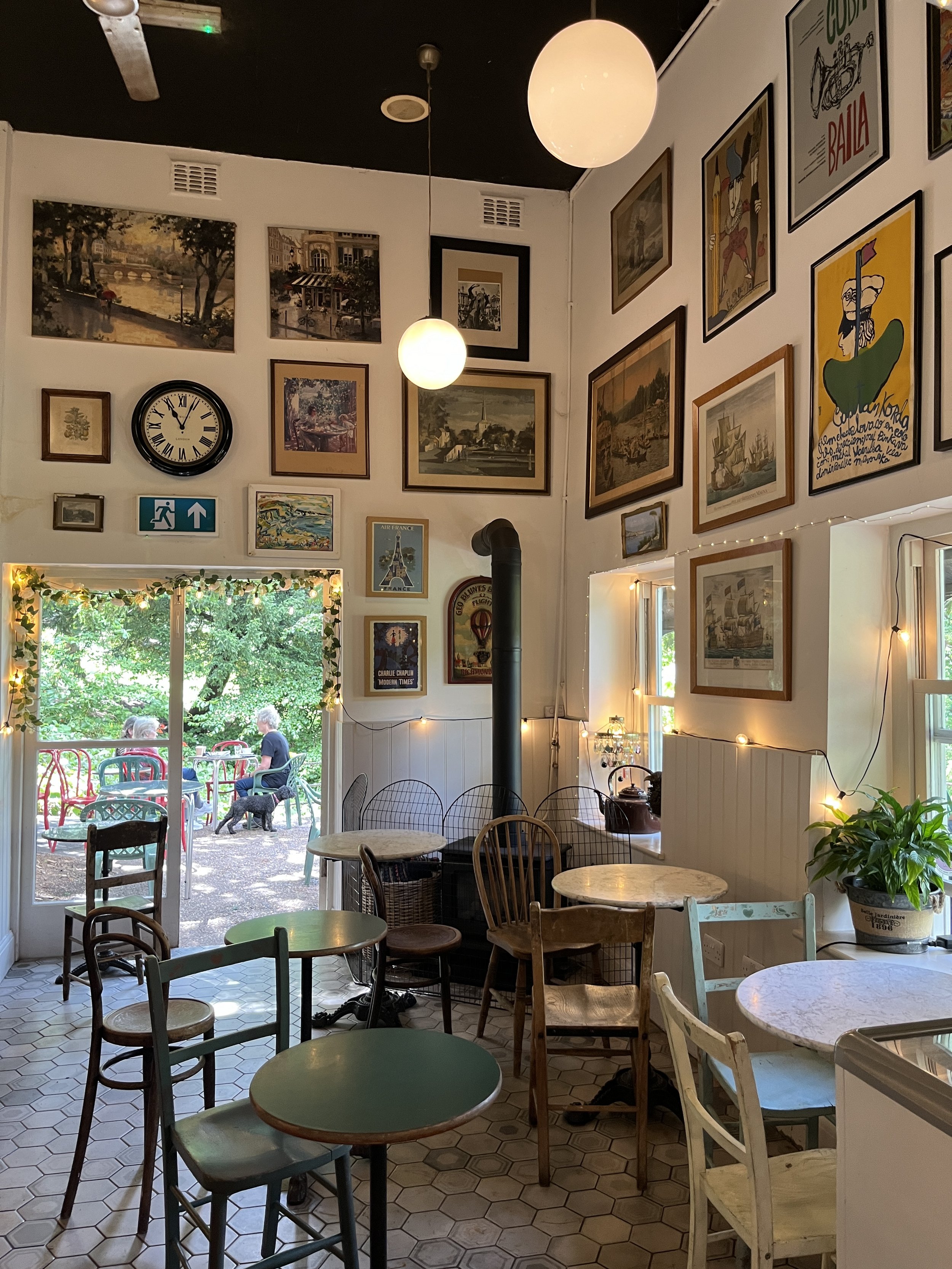
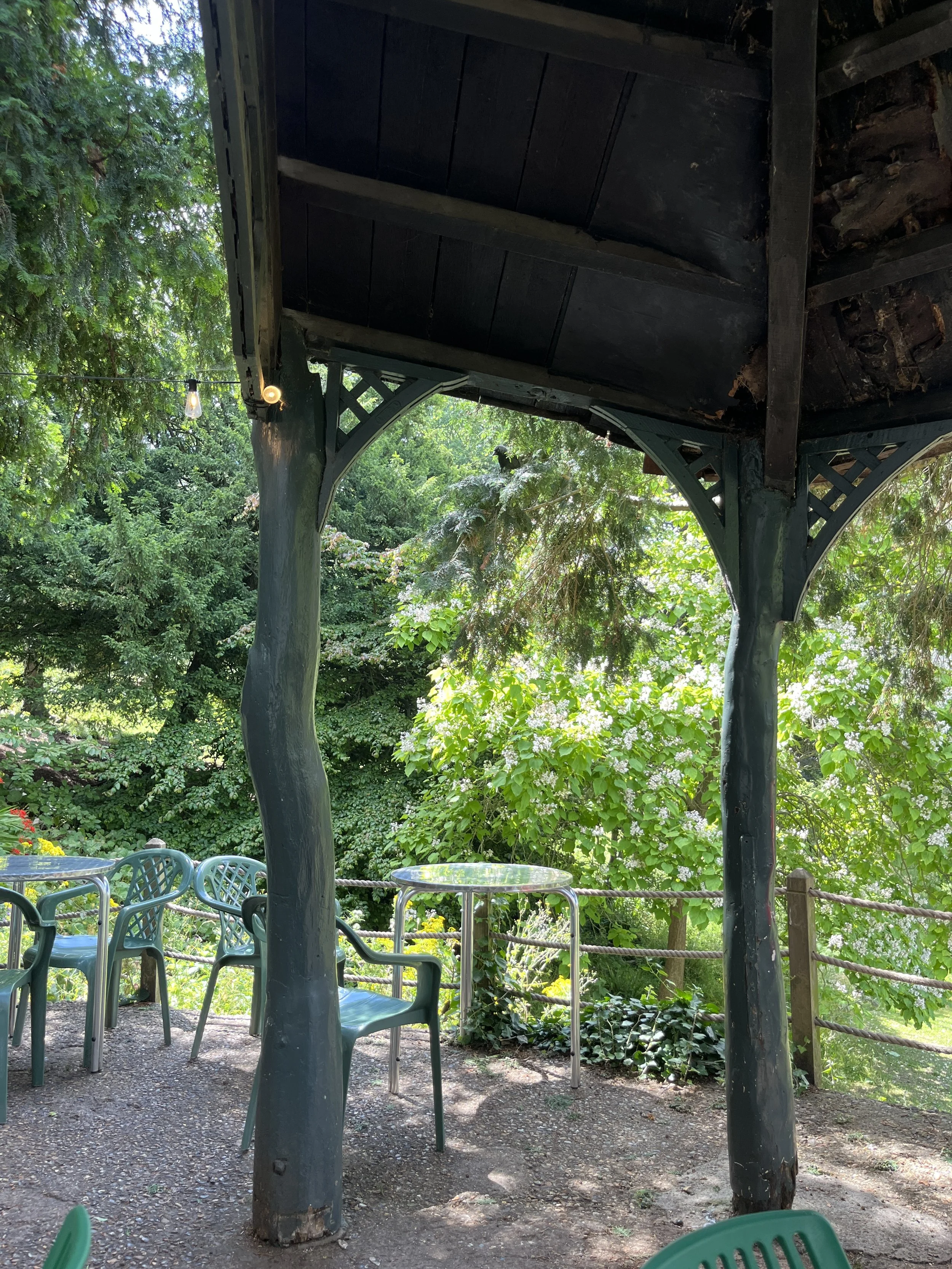
It's free, planted with lavender, roses and dahlias depending on the season, and anchored at the bottom by a small glasshouse. Hollyhock Cafe sits alongside it and serves a good lunch with views down to the river.

Richmond Park
Richmond Park was once a royal hunting ground and still looks like one. It covers 2,500 acres — large enough that you can walk for an hour without glimpsing the city skyline if you choose your path well. The deer are everywhere and entirely unbothered by visitors (but please don’t get too close).
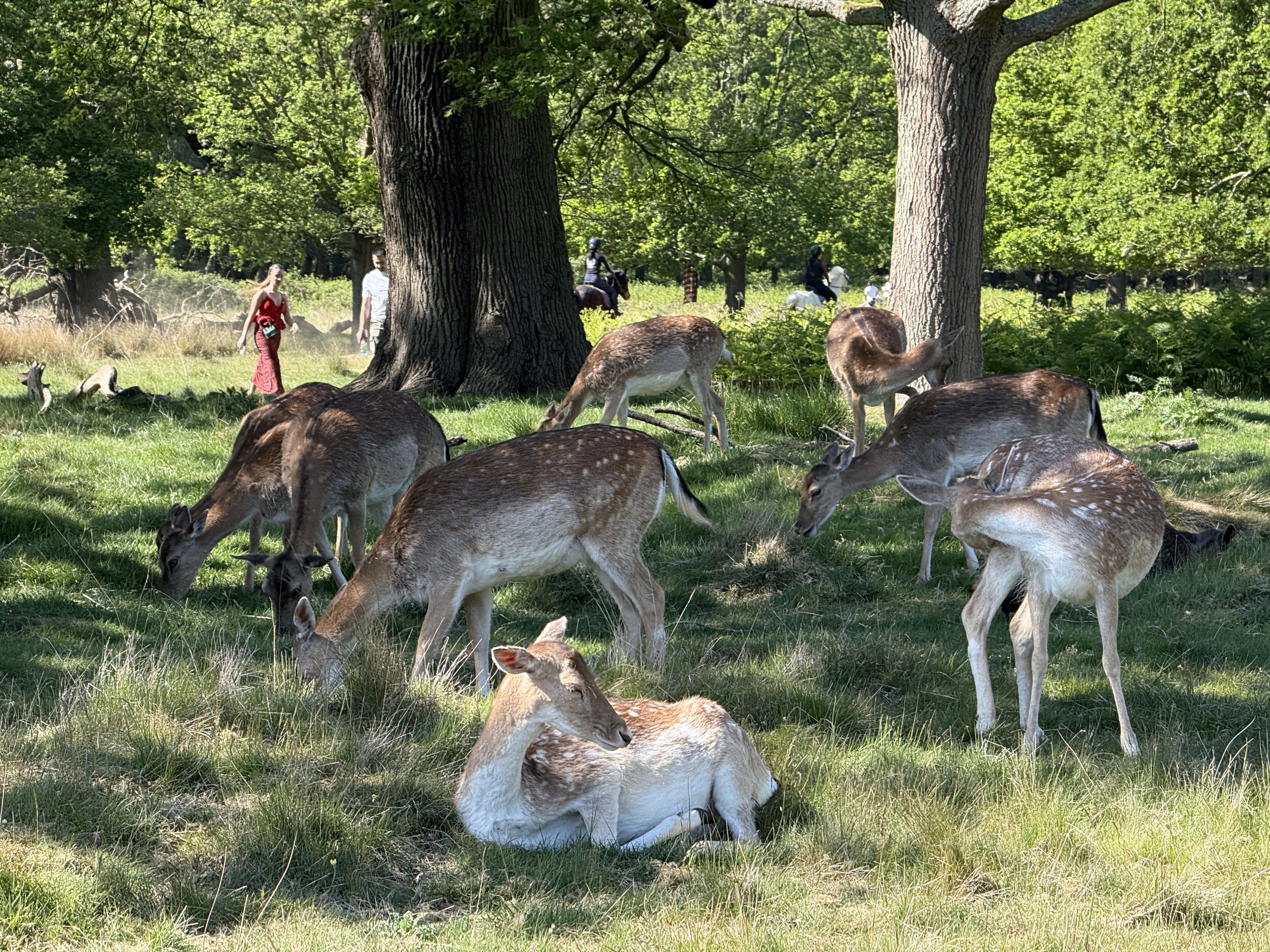
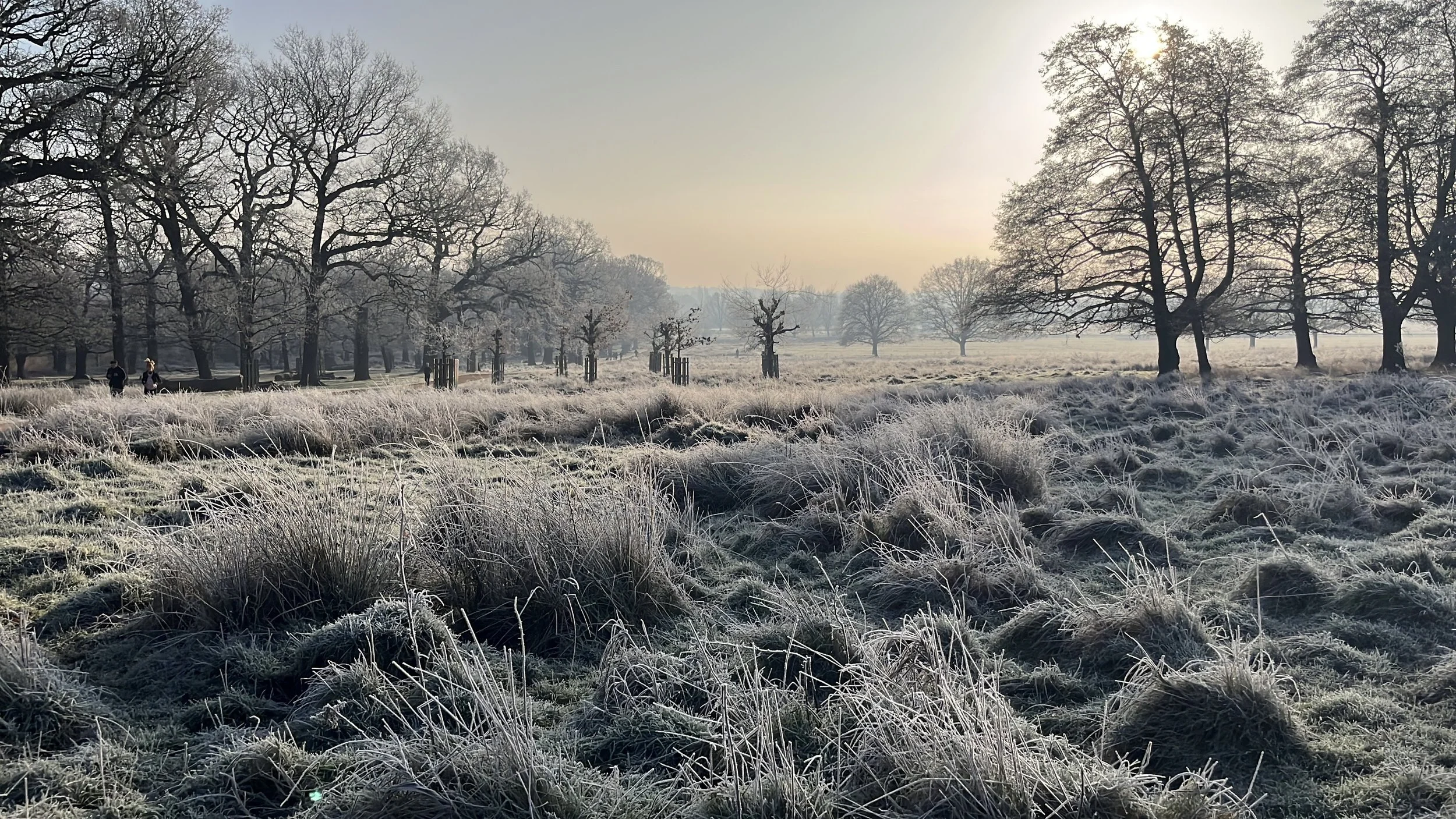
For six years I lived close enough to walk here regularly, and it still has a particular hold on me. The way the ferns glow in low evening light between the trees. Glistening frozen grass on a cold winter morning, the whole park crystallised and very quiet. The deer moving through different parts of the park as the seasons shift, the young ones appearing in early summer and growing gradually less tentative. It is one of the few places in London that changes slowly enough to actually notice.
The most convenient entrances from Richmond town are Richmond Gate and Petersham Gate. Coming in this way takes you to the high ground around Pembroke Lodge, a Georgian house once home to Lord John Russell, and where Bertrand Russell spent part of his childhood. The terrace has a long view over the park, the rose garden is worth seeking out, and a wonderful yellow laburnum arch if you visit in early May.
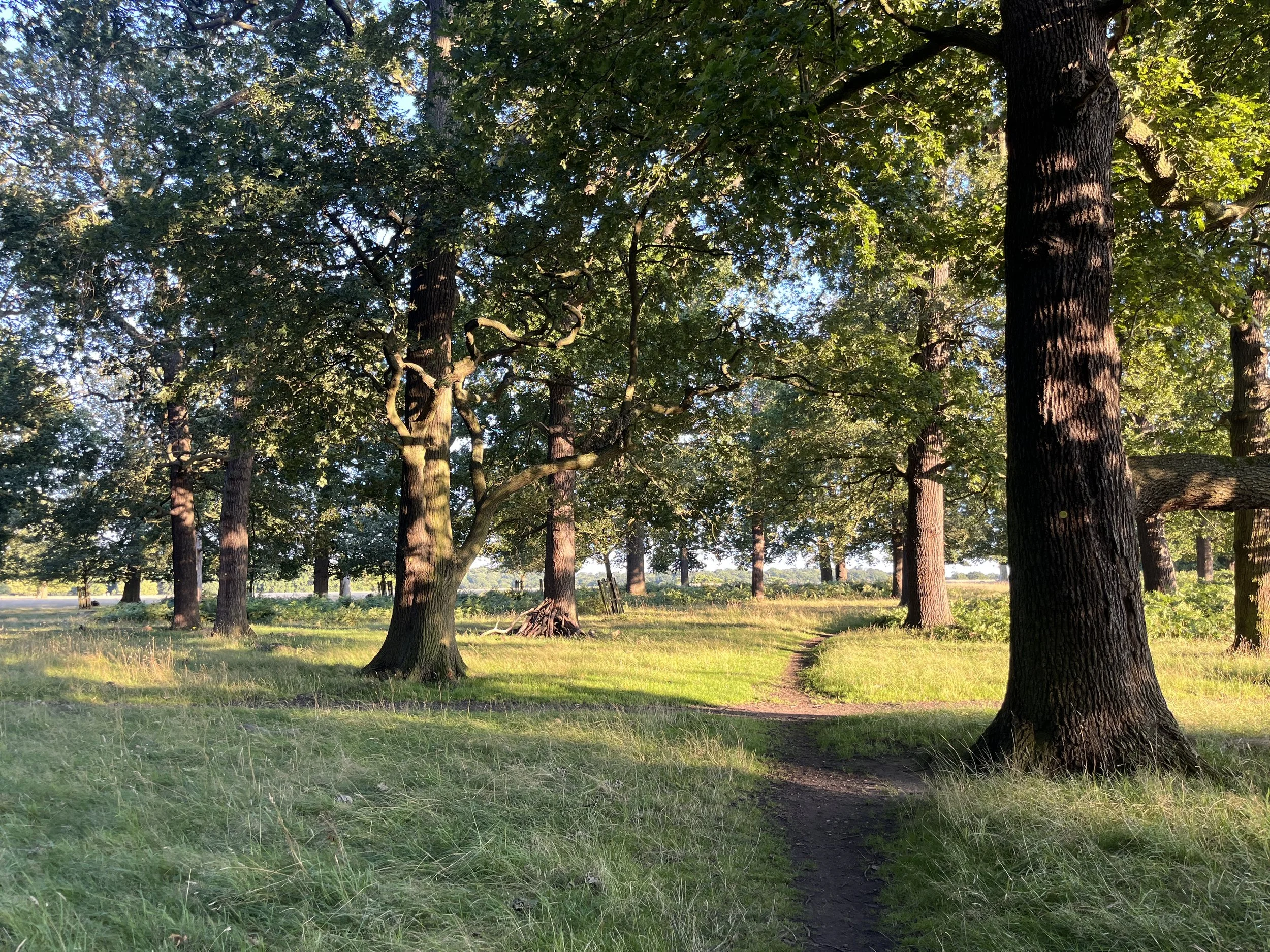
Deeper into the park, Pen Ponds are two large lakes sitting in open grassland, good for a pause and reliably busy with coots, herons and the occasional kingfisher. The route between Pembroke Lodge and Pen Ponds takes you through some of the park's most open ground, with the land rolling away in every direction and very little to remind you that you're in a capital city. If you want to cover real ground, hire a bike.
Isabella Plantation
Further into the park is Isabella Plantation, best reached from the Kingston side of things, or via bike or cab. Go in May. The azaleas and rhododendrons are extraordinary: whole sweeps of pink, purple and red through the woodland, reflected in the small streams that run through it. It is one of the most beautiful things you can do in London in spring, which is a sentence I don't deploy lightly.

Isabella Plantation
It is free to enter and keeps the same hours as the park, which means you can time a visit for the evening. People bring picnics and sit right in among it all, and it has the quality of somewhere that exists slightly outside of ordinary life.
I'm particularly attached to it for personal reasons — it was the setting of one of my first dates with my husband, and we make a point of going back every May. It has held up every time.
Richmond Riverside
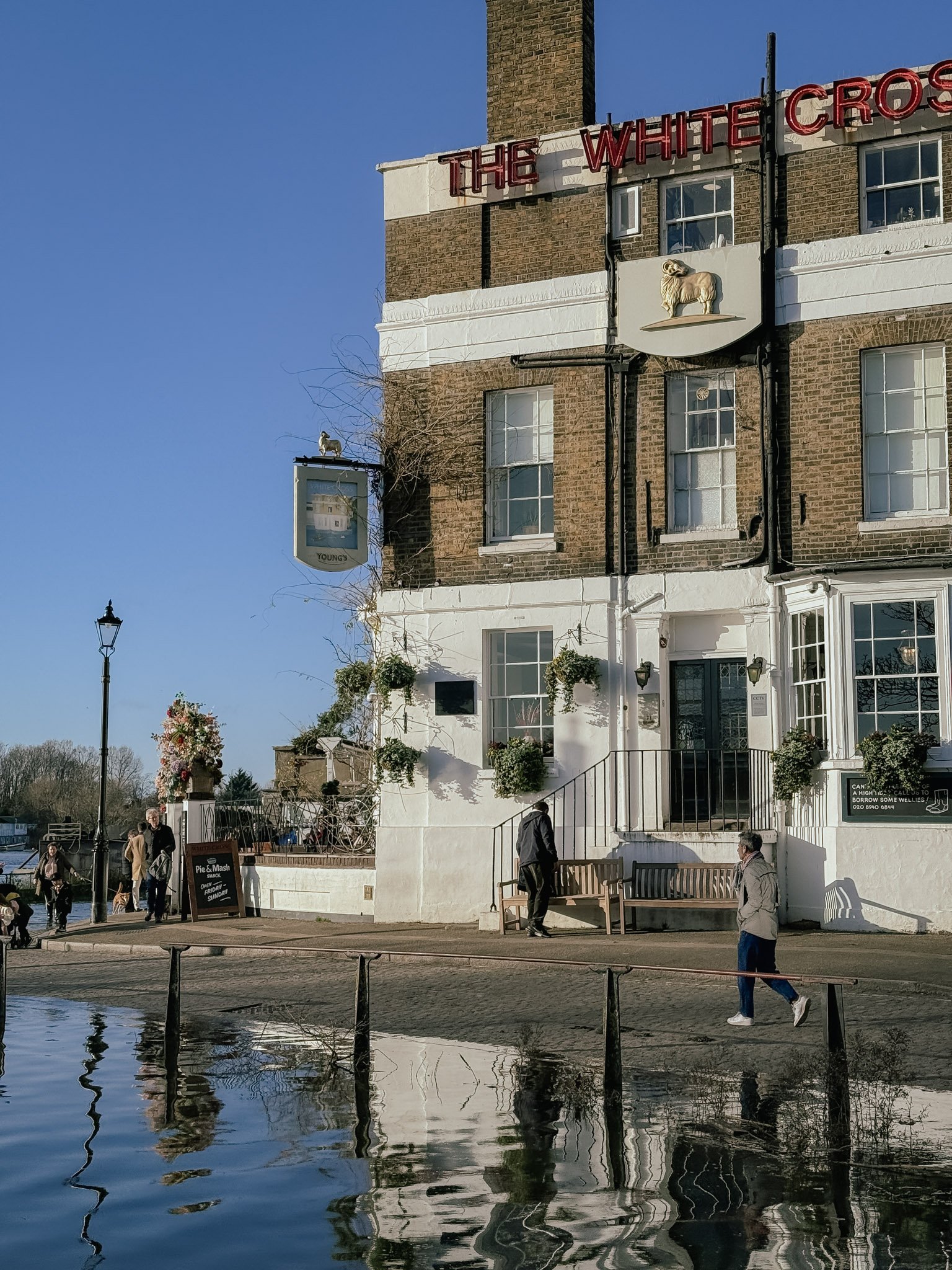
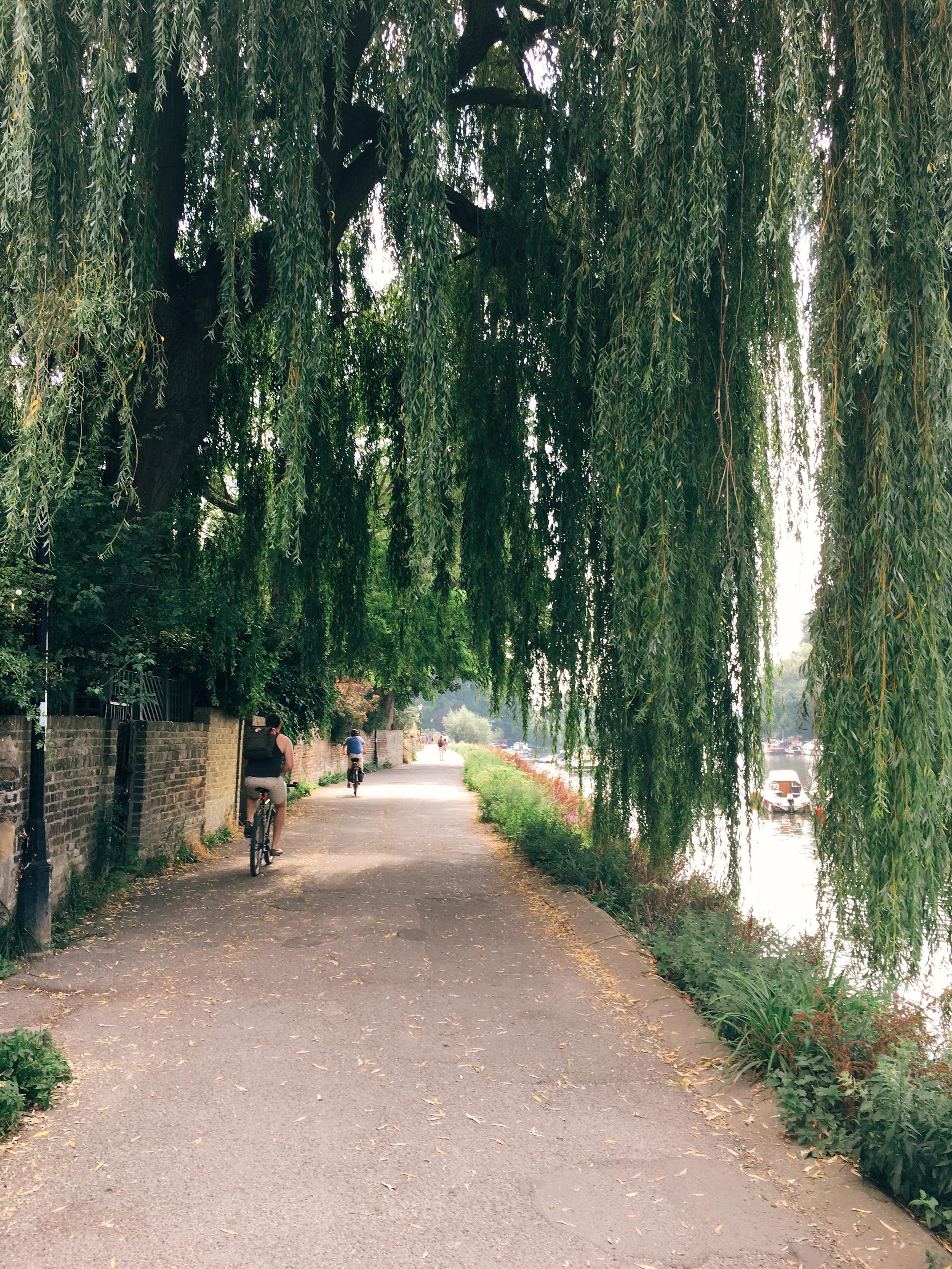
The riverside path is one of London's better walks, and worth doing in both directions. What changes it entirely is the tide. At low tide there are broad stretches of foreshore and the river feels wide and calm; at high tide it presses right up to the path and occasionally over it. This is what makes The White Cross pub worth knowing about: it has a flood board at the door and keeps sandbags on the premises as standard equipment, which is either charming or alarming depending on your outlook.
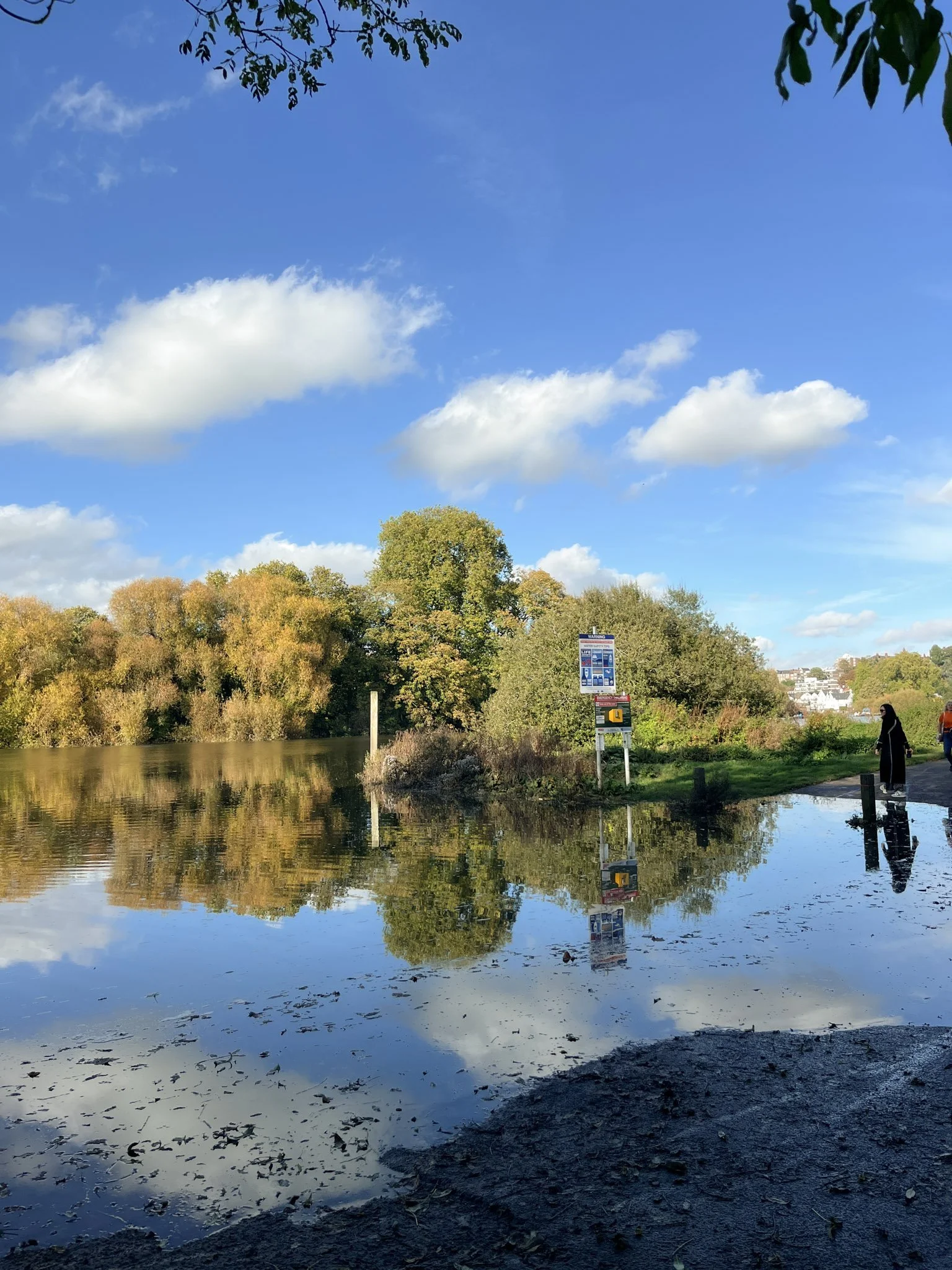
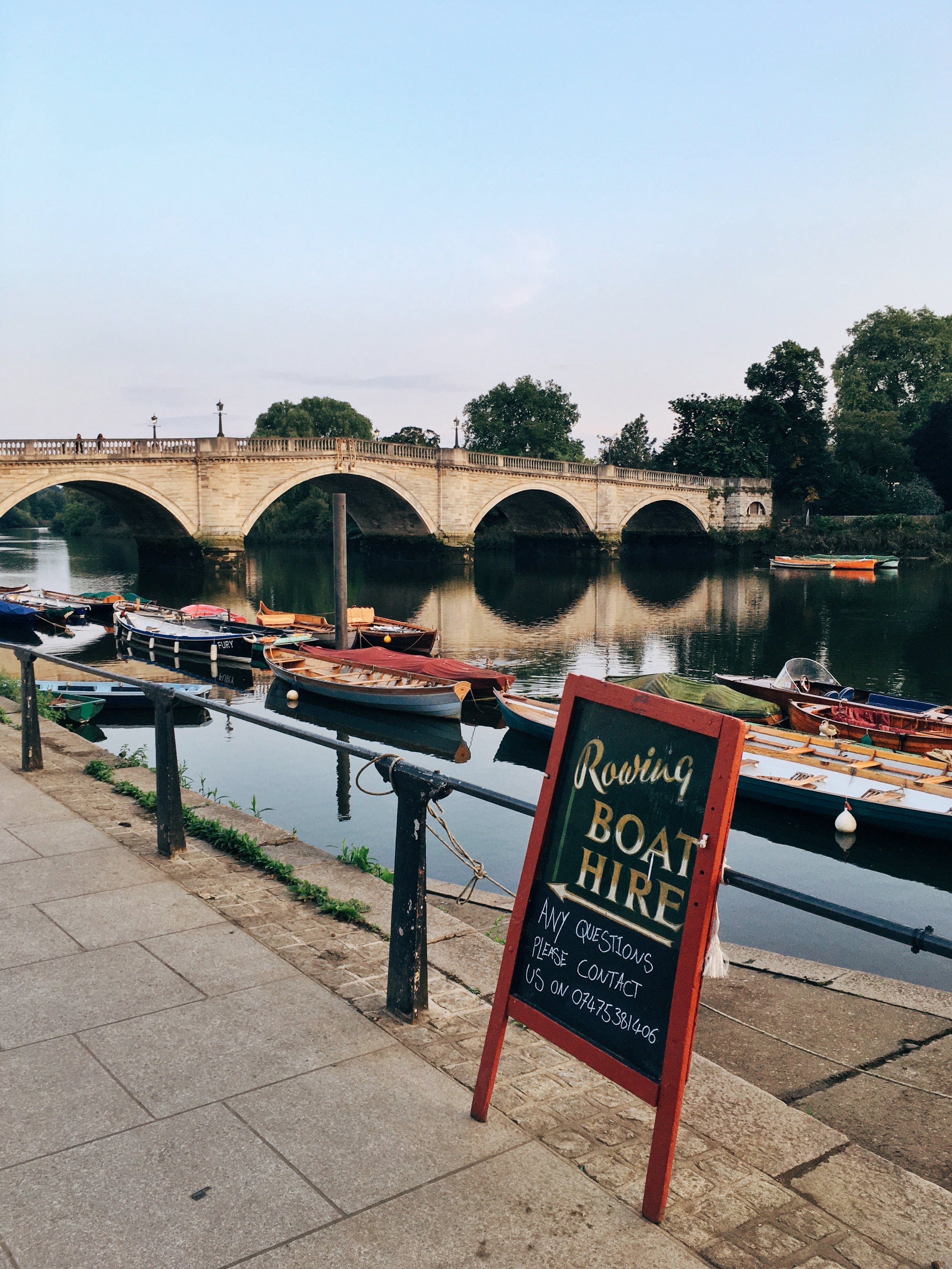
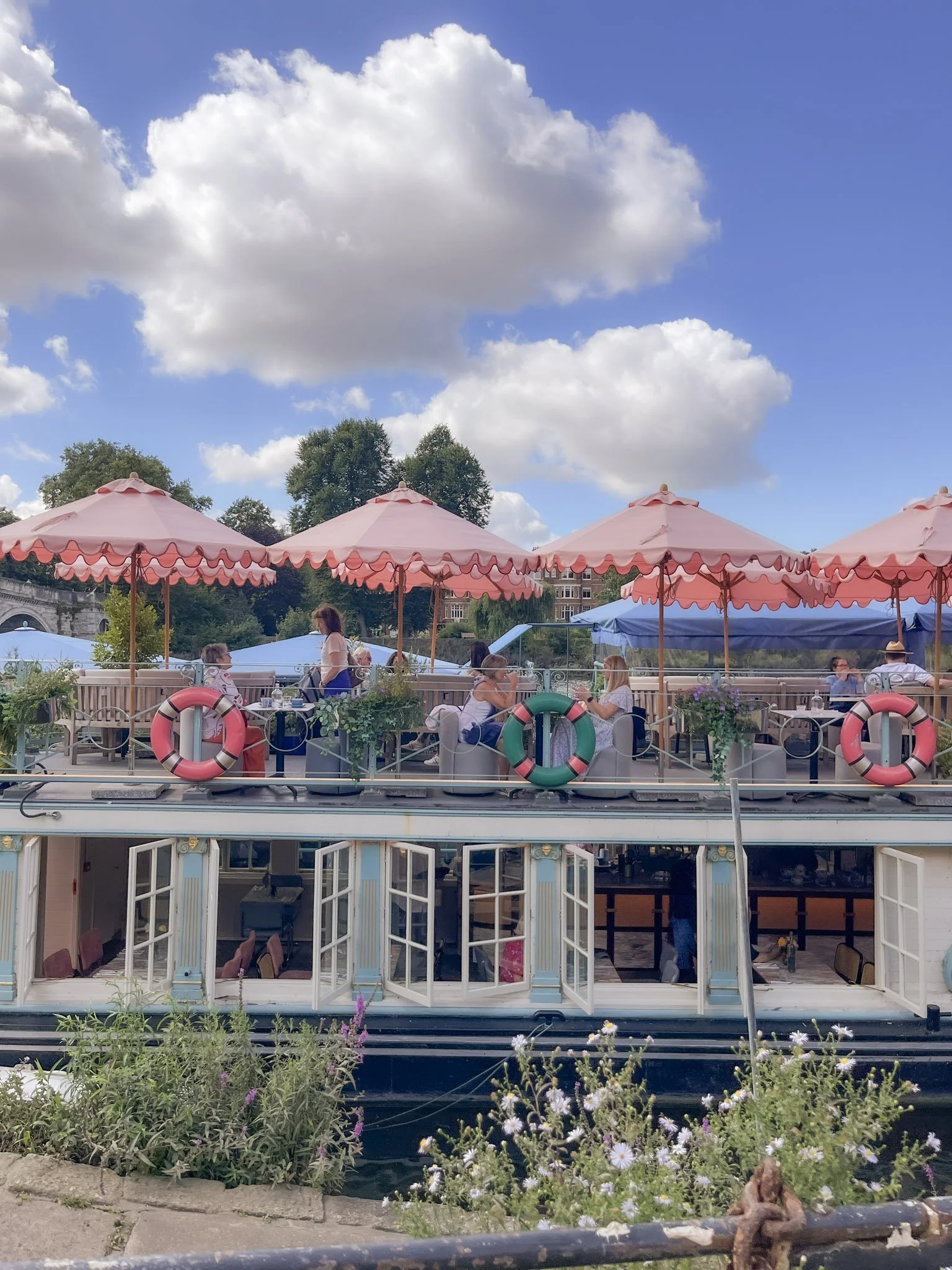
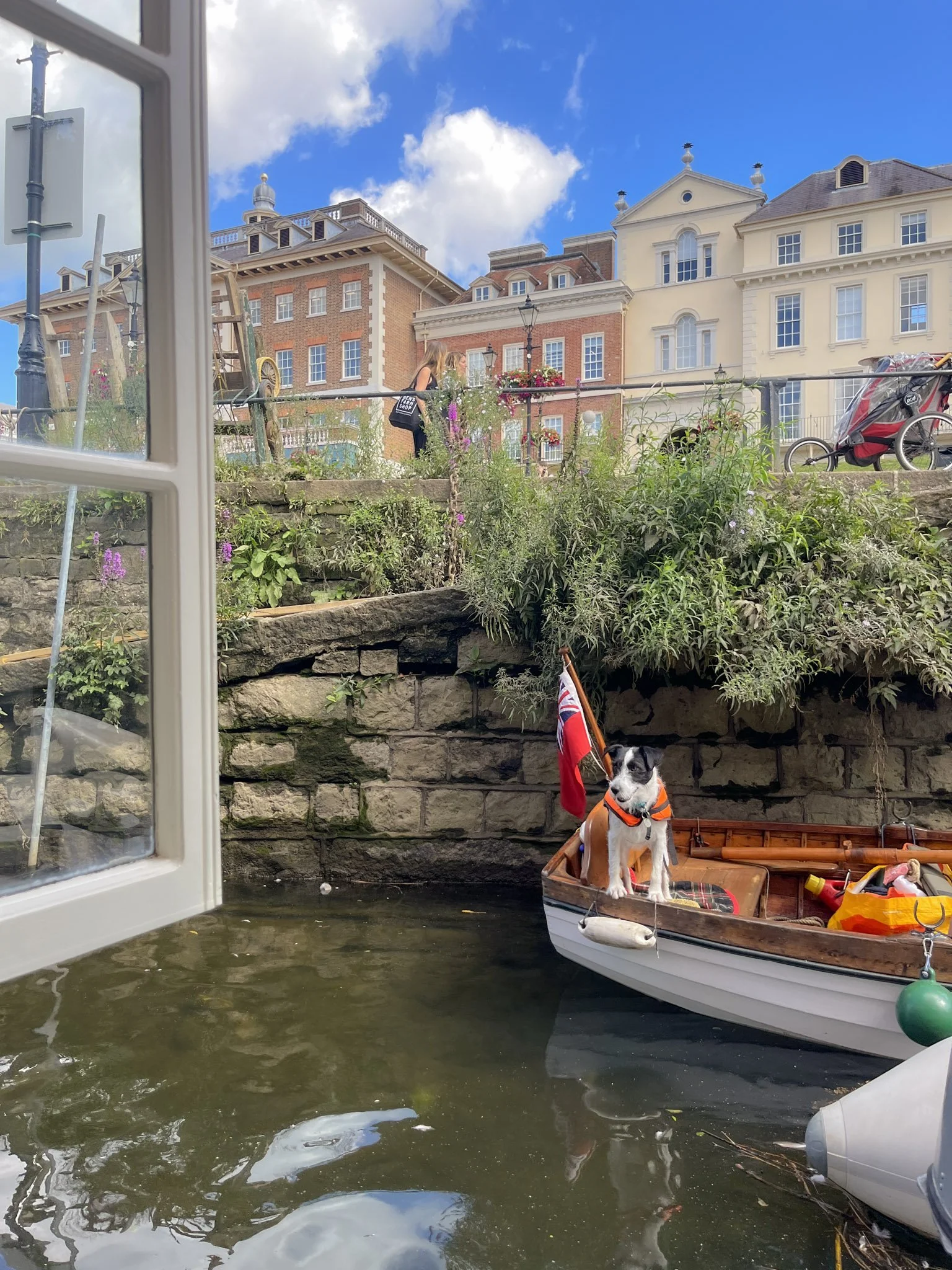
Tide Tables Cafe sits beside Richmond Bridge with tables under trees and the river below. Peggy Jean at Riverside Green is a pink and blue barge serving meals and drinks, and popular enough that people have reportedly waded through floodwater to make their reservation. Scott's Richmond is a newer arrival with a beautiful interior full of art, regular jazz nights and food that's worth booking ahead for. Paddle boats are available for hire along the riverside; I have been meaning to do this for years and have not yet managed. From here you can also catch riverboats back to central London, or onwards to Hampton Court, if the day stretches that far.
Up from the river, the Duck Pond Market runs at weekends: street food and independent traders, worth a look if it's on.
You can watch my video of a walking route through Richmond to see more context for these places:
Historic sites and streets
Old Palace Lane and Richmond Green
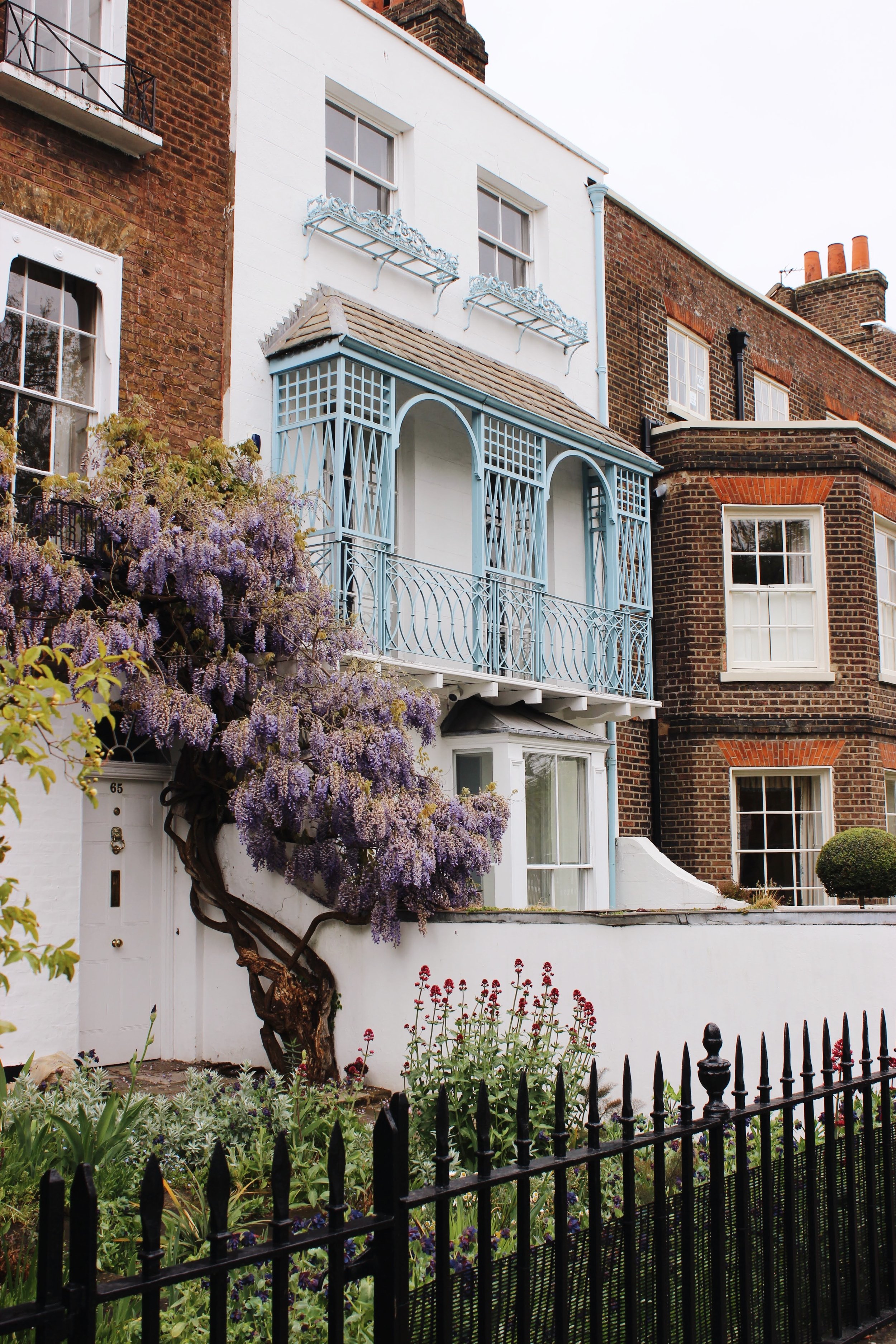
Walking from the riverside, you'll reach Old Palace Lane, which has a row of white cottages I've coveted for years, particularly in wisteria and hollyhock seasons. The White Swan pub on the same street is unpretentious and generous: good food, and a sticky toffee pudding of almost irresponsible size.


Opposite the cottages, a pedestrian gate leads into a quiet enclave of very old houses, some connected to what remains of Richmond Palace. Henry VII built it in 1501; Henry VIII gave it to Anne of Cleves as part of her annulment settlement; Elizabeth I died here in 1603. It is now a row of private homes. There is something particular about that, the way London absorbs its own history into the ordinary texture of daily life and makes you walk through it to get somewhere else.
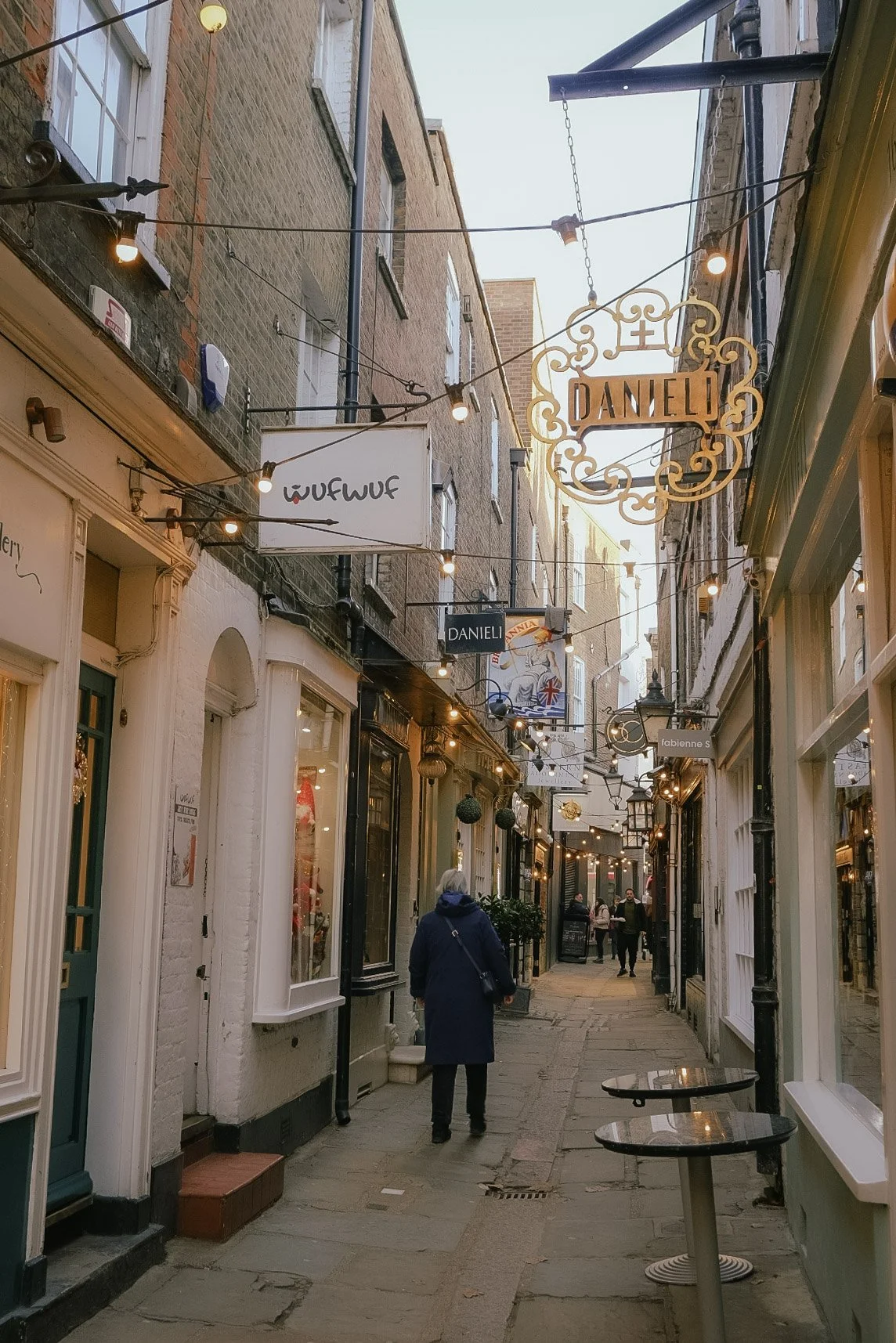
Richmond Green is lined with more fine houses and anchored at its far end by the Victorian theatre. Ted Lasso was filmed at The Prince's Head pub here, if that's relevant to you. The alleys running off the green, Paved Court, Golden Court and Brewer's Lane, contain small restaurants, jewellery shops and boutiques, and are what most people think of when they think of Richmond town centre.
Ham House
Ham House sits directly on the river, reachable by foot along the towpath or by bus. Managed by the National Trust, it is one of the most intact Stuart houses in England and well worth half a day.

Built in 1610, the brick exterior is studded with niche portrait busts and the entrance is carved in relief. Inside, the double-height hall with its wraparound mezzanine makes its intentions clear: this was a house built to impress, and on that count it still succeeds. Beyond it, the rooms are considered and particular: a small private chapel, a series of bedrooms furnished with real attention to period detail, and one of England's first functioning bathrooms, in which the Duchess of Lauderdale was bathed in a wooden tub.


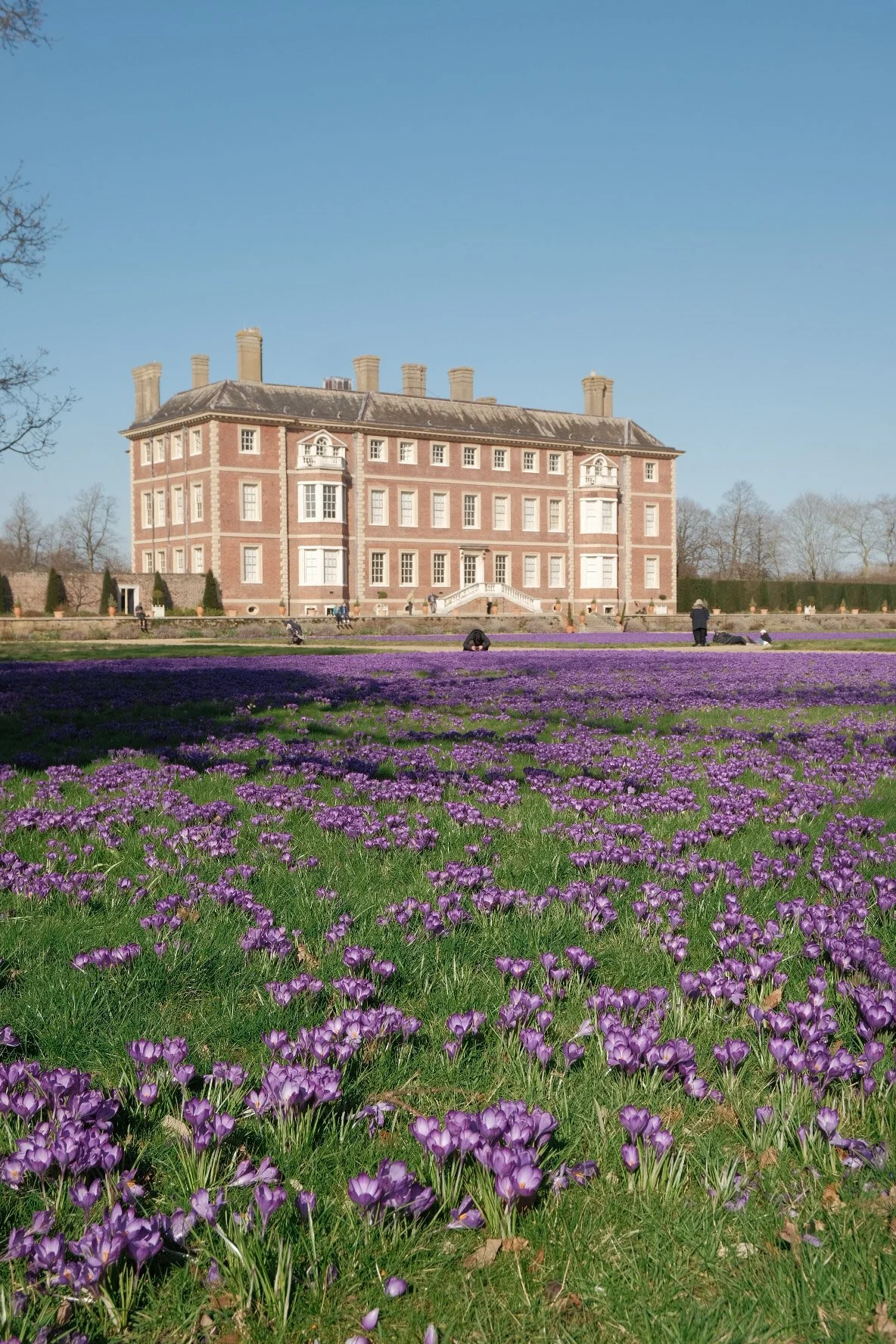
The garden is equally worth your time. The kitchen garden grows cut flowers, fruits and vegetables in abundance. The formal lawn scatters itself with purple crocuses and wild tulips in spring. A 'wilderness' garden at the back offers somewhere quieter to be. To one side, a lavender parterre is planted in strict diagonal lines around a classical sculpture — photogenic in the obvious sense, but also just genuinely beautiful in person.
The cafe is reached through the kitchen garden and is covered in wisteria in spring. Try my favourite, the cauliflower pasty. Allow more time than you think you need.
Shopping
Petersham Nurseries
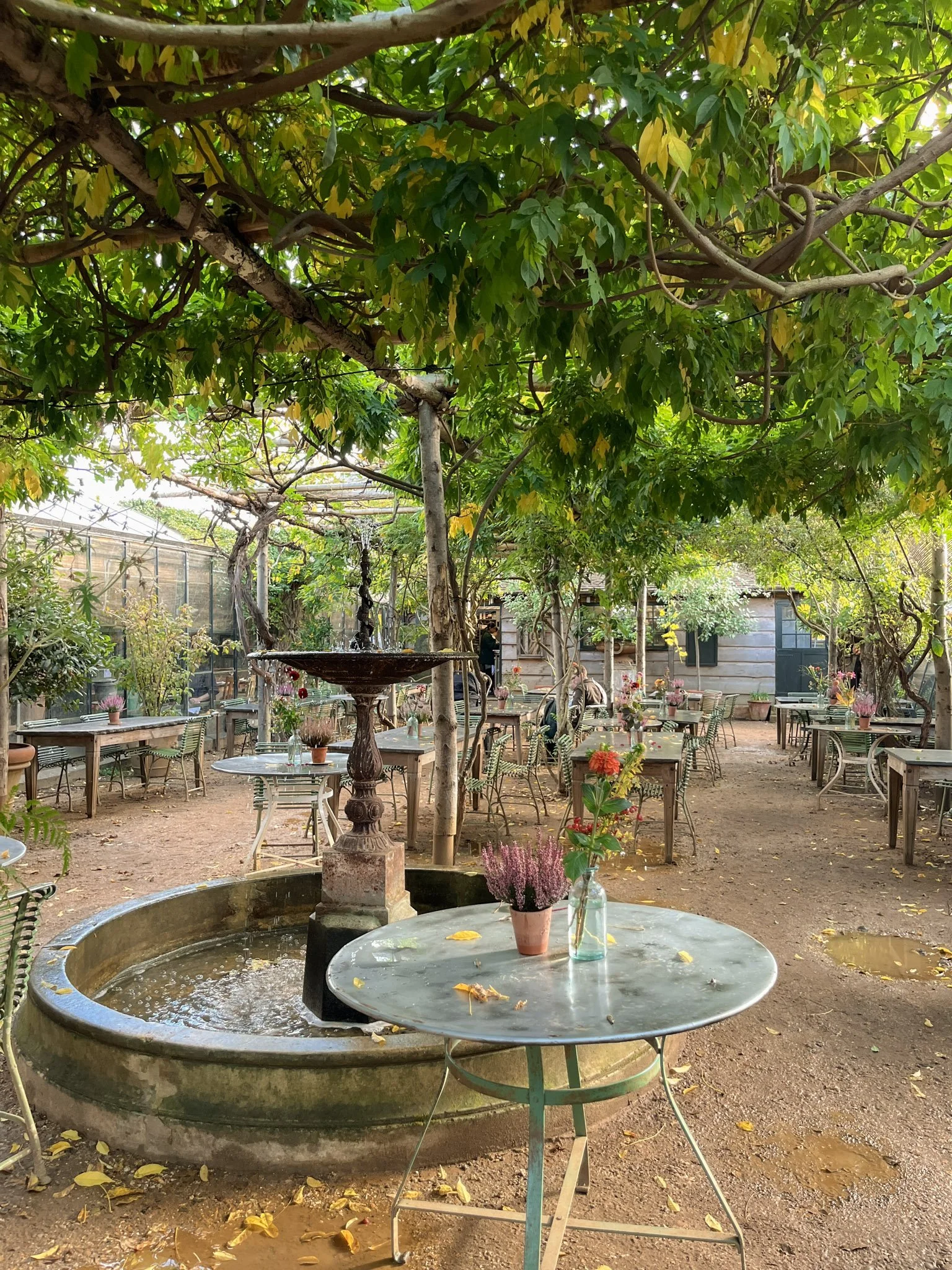
A short walk along the river from Ham House brings you to Petersham Nurseries, which operates as both the most expensive garden centre in the world and an entirely reasonable place to spend an afternoon even if you buy nothing, which is what I usually do.
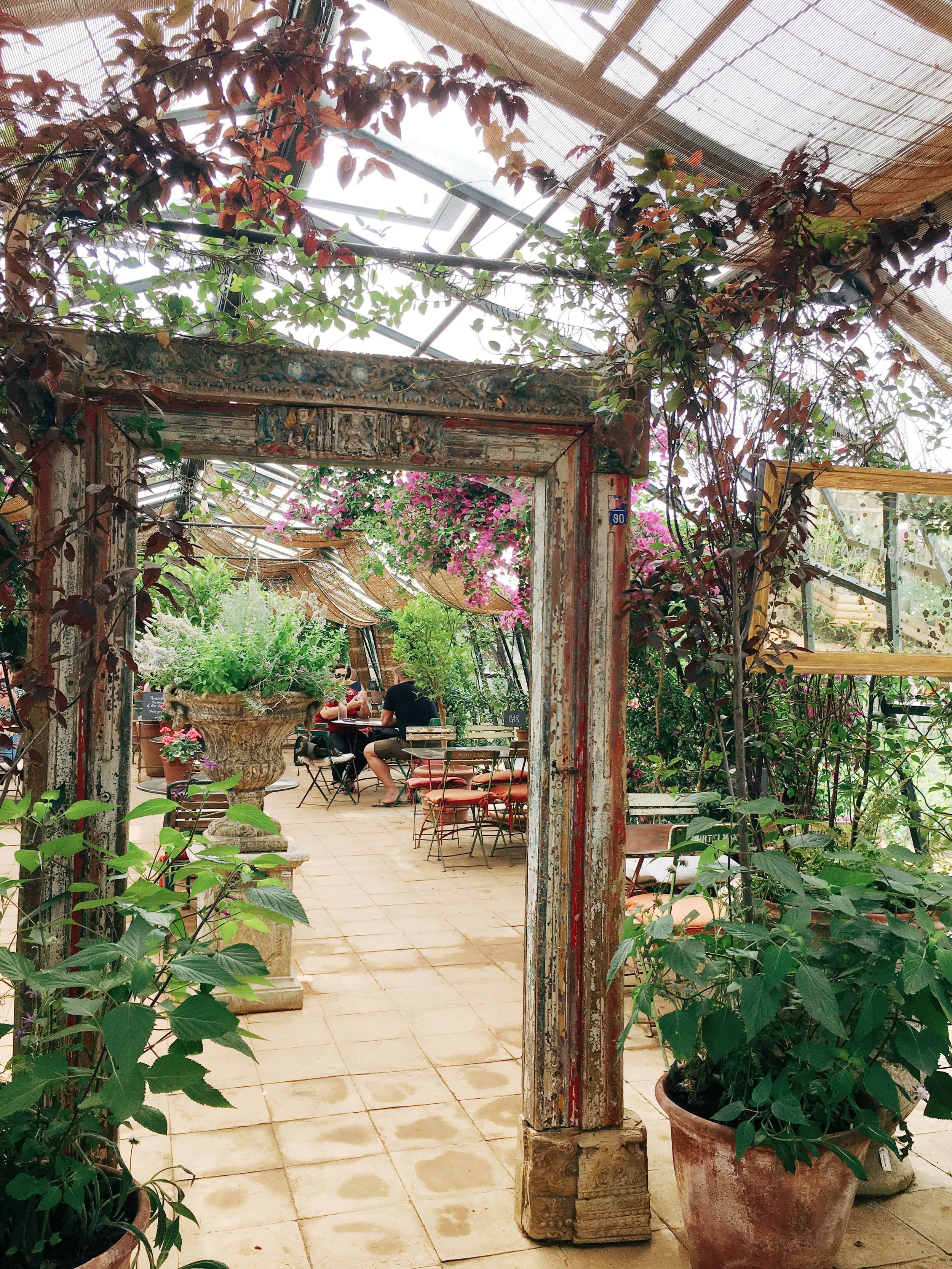
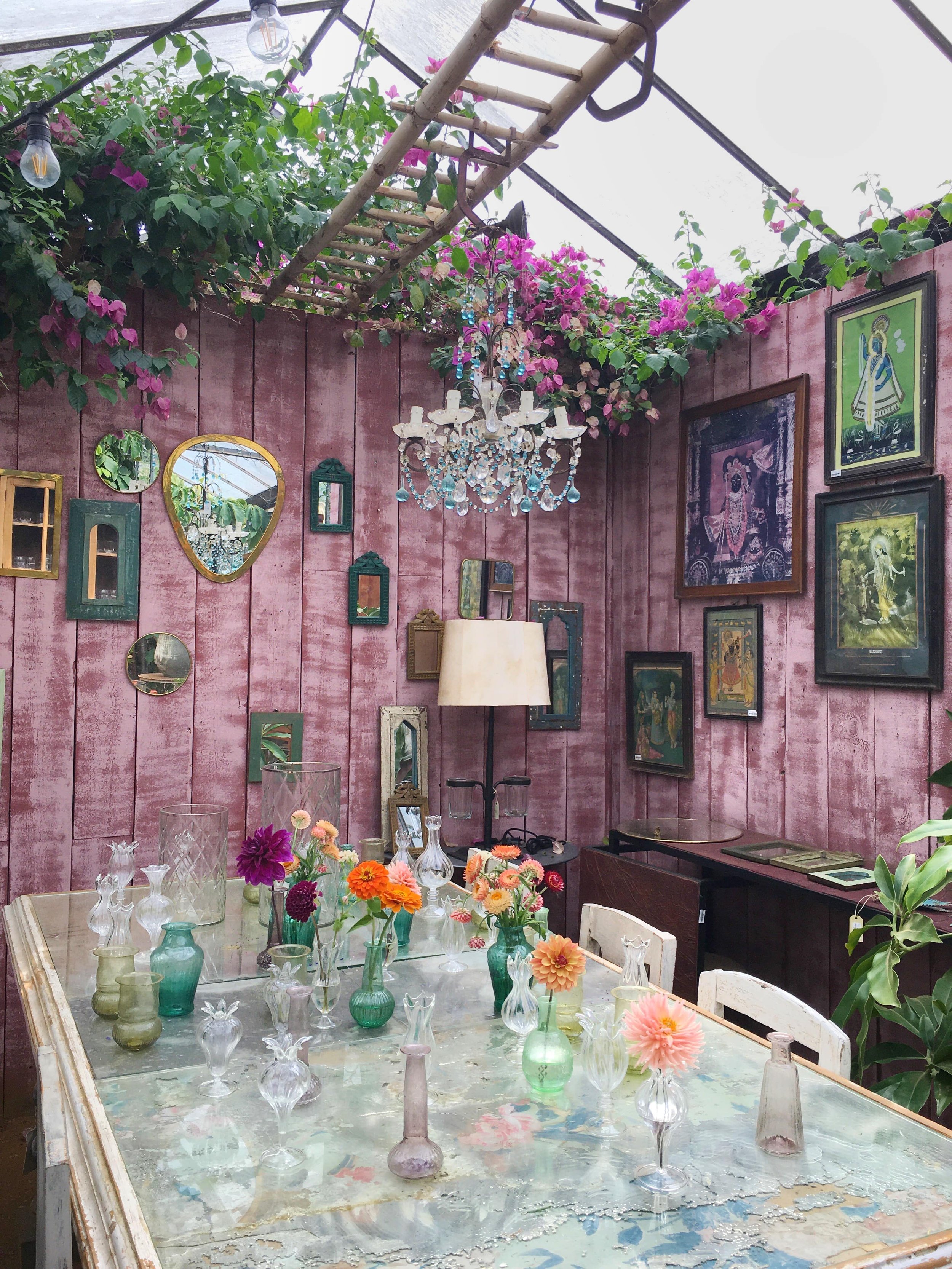
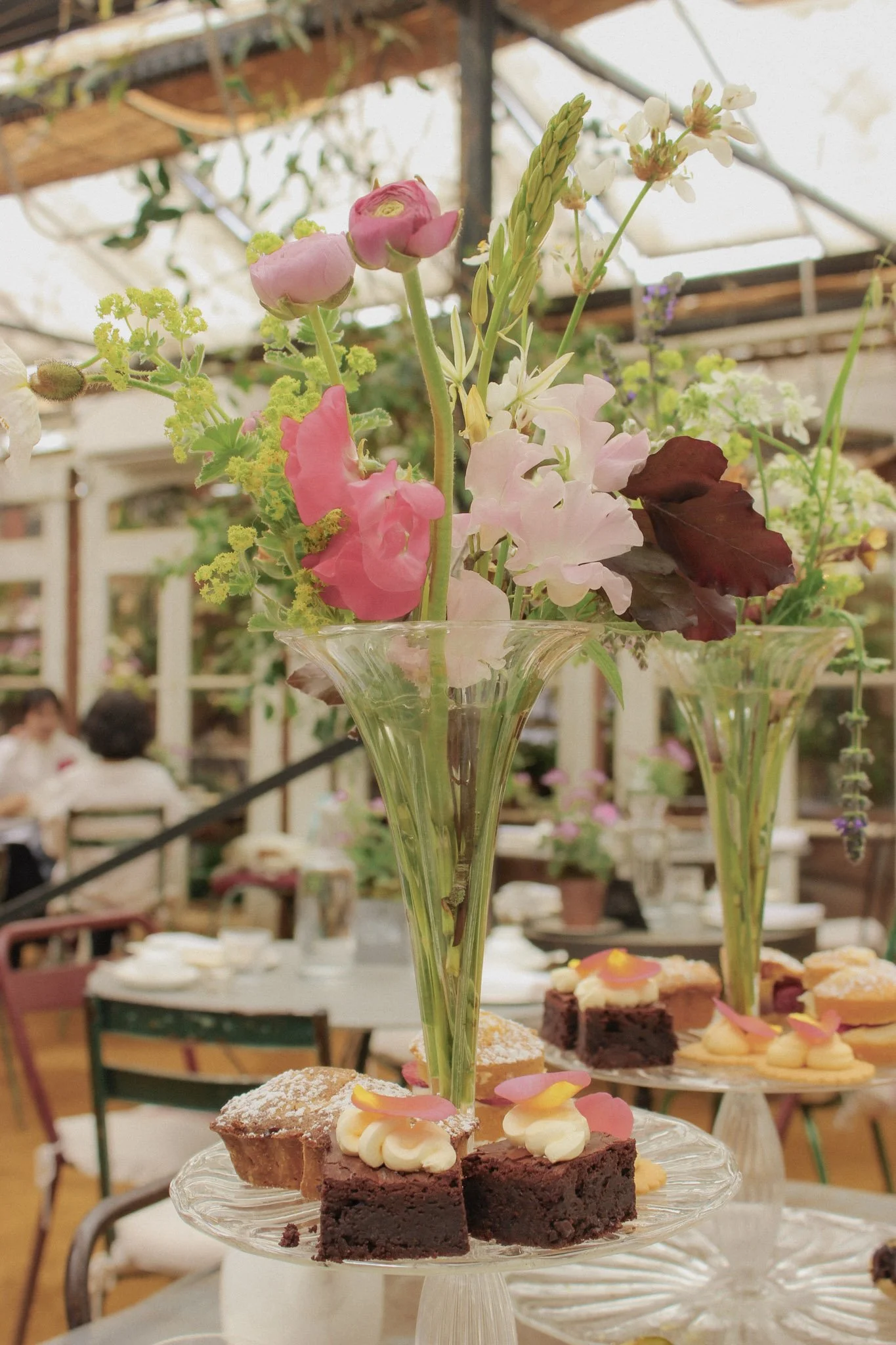
The restaurant holds a Green Michelin Star and is housed in a pergola structure with flowers growing over it. The afternoon tea, served in a separate glasshouse on a hand-blown glass tiered stand with a small vase of fresh flowers, is one of the better versions of that occasion in London.
Paved Court, Golden Court and Brewer's Lane
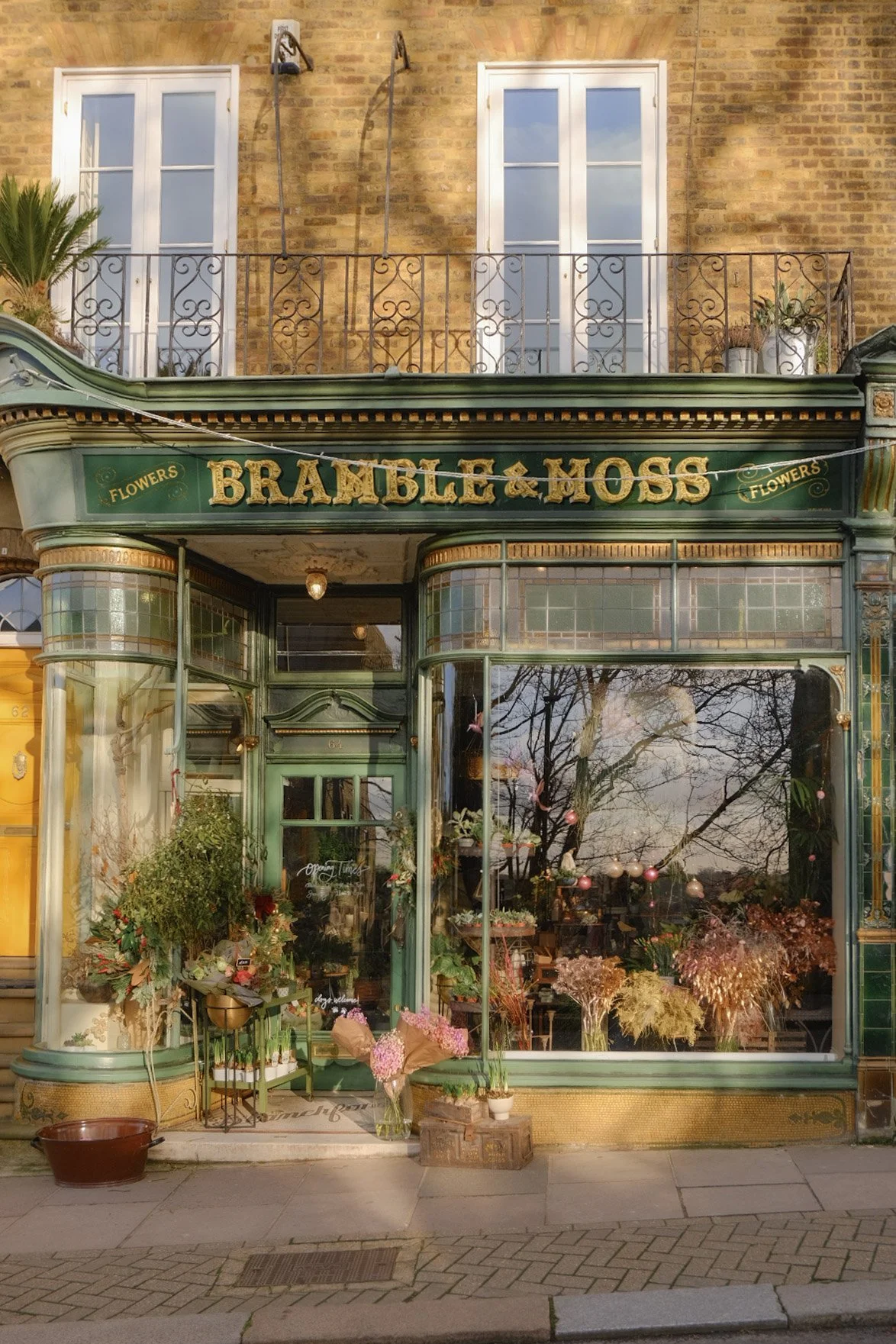
These three alleys off Richmond Green are where most of the independent shopping in Richmond happens: jewellery, ceramics, clothing and a handful of small restaurants. Via Romana deli in Paved Court is a tiny Italian sandwich shop with a five-star rating and the kind of queue that tells you it deserves it. Worth arriving at with a specific appetite.
Where to eat and drink
Hollyhock Cafe and Tide Tables Cafe cover the scenic-stop-with-good-coffee brief well. For a meal, Scott's and Ottolenghi on Hill Street both do the job, the latter reliably good for lunch, especially if you're going salad-forward after a long walk in the park.
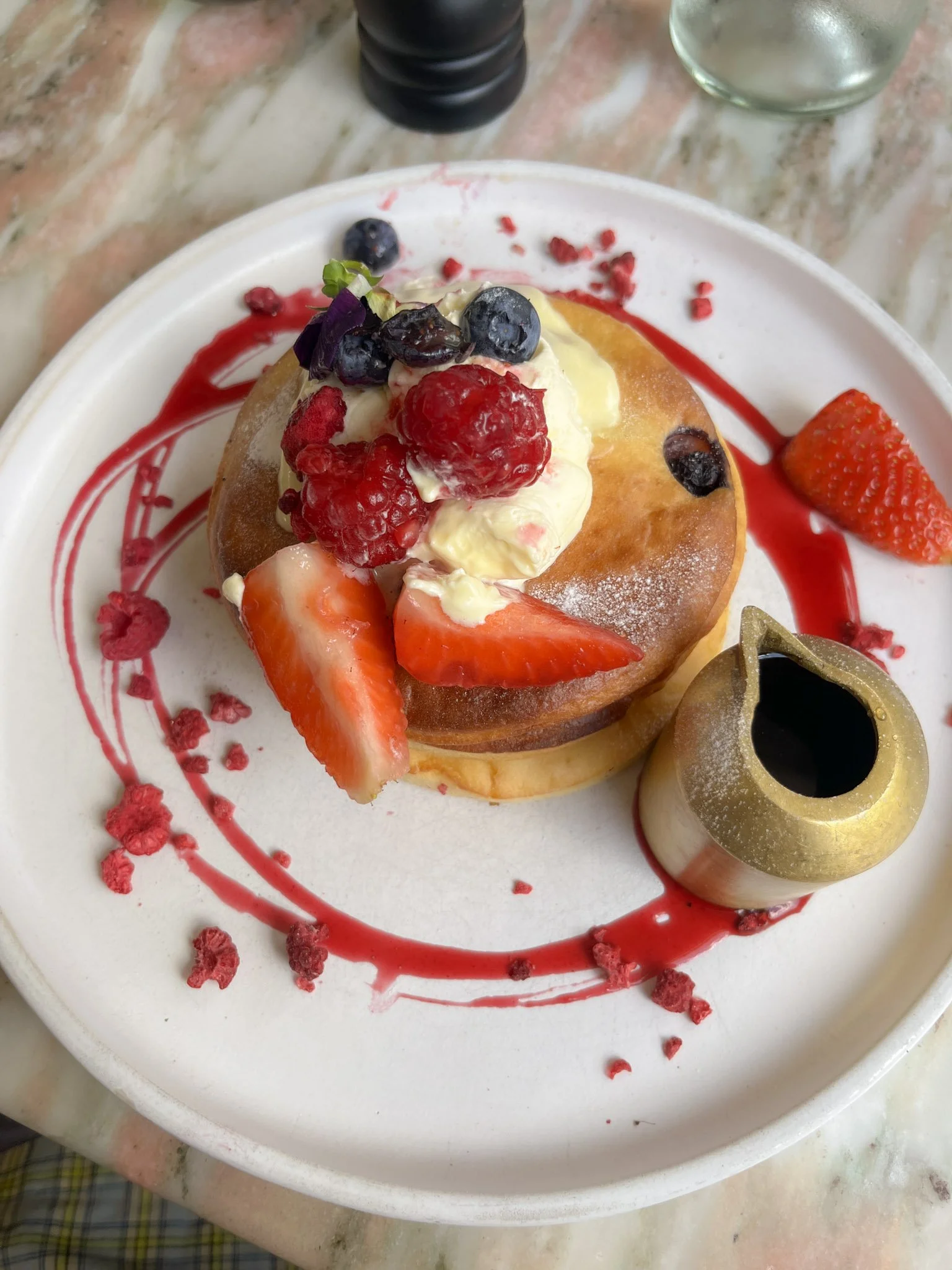
Knoops on George Street is a hot chocolate shop that takes the work seriously — you choose your percentage of cacao and any additions, and the result is very much not a Costa. Via Romana, as mentioned, for a foacaccia sandwich that will recalibrate your standards.
For pubs: The White Swan on Old Palace Lane for a classic setting and elevated food; The White Cross on the riverside for the atmosphere (and the flood risk); The Roebuck on Richmond Hill for views; The Prince's Head on Richmond Green if you're doing the Ted Lasso pilgrimage.
Where to stay in Richmond
The Petersham Hotel sits on Richmond Hill with views over the Thames and is pitched accordingly: special occasions, not budget weekends.
Bingham Riverhouse is a boutique hotel on Petersham Road with rooms overlooking the river and a restaurant that draws locals as much as guests, which is generally a good sign.
Practical information
Getting there: South Western Railway from Waterloo is fastest. District line and Overground also serve Richmond. Thames Clippers run river services if you want to arrive by water.
Best time to visit: May makes the strongest case — Isabella Plantation, the wisteria on Old Palace Lane, the wild tulips at Ham House all coincide. That said, an autumn afternoon on Richmond Hill, with the view going golden and the deer barely moving through the long grass, is not a poor second. Richmond is genuinely good in every season.
Tides: Worth checking before you go if the riverside is part of your plan. The Thames is tidal this far out, and it significantly changes the atmosphere along the path. Richmond Bridge at low tide and Richmond Bridge at high tide are two different experiences.
Richmond Park: Free to enter, open year-round. Bike hire is available near the park gates and is the best way to cover the full 2,500 acres if you have the time. Pembroke Lodge has a cafe if you need a reason to stop.
Ham House: National Trust property; free for members, ticketed otherwise. The garden alone is worth the trip.
Petersham Nurseries: Book the restaurant or afternoon tea well in advance. The shop and cafe are walk-in.
A full day in Richmond tends to leave you slightly surprised at how much you fitted in, and slightly reluctant to get back on the train. The park alone could take the whole day if you let it: the deer, the ponds, the open grassland rolling away in every direction. Add the river path, the white cottages of Old Palace Lane, the wisteria at Ham House, a sandwich from Via Romana eaten on a bench somewhere, and you have a day that feels genuinely unhurried in a city that rarely allows that. Richmond is one of the most complete day trips in south west London, and one I keep coming back to. I hope you do too.
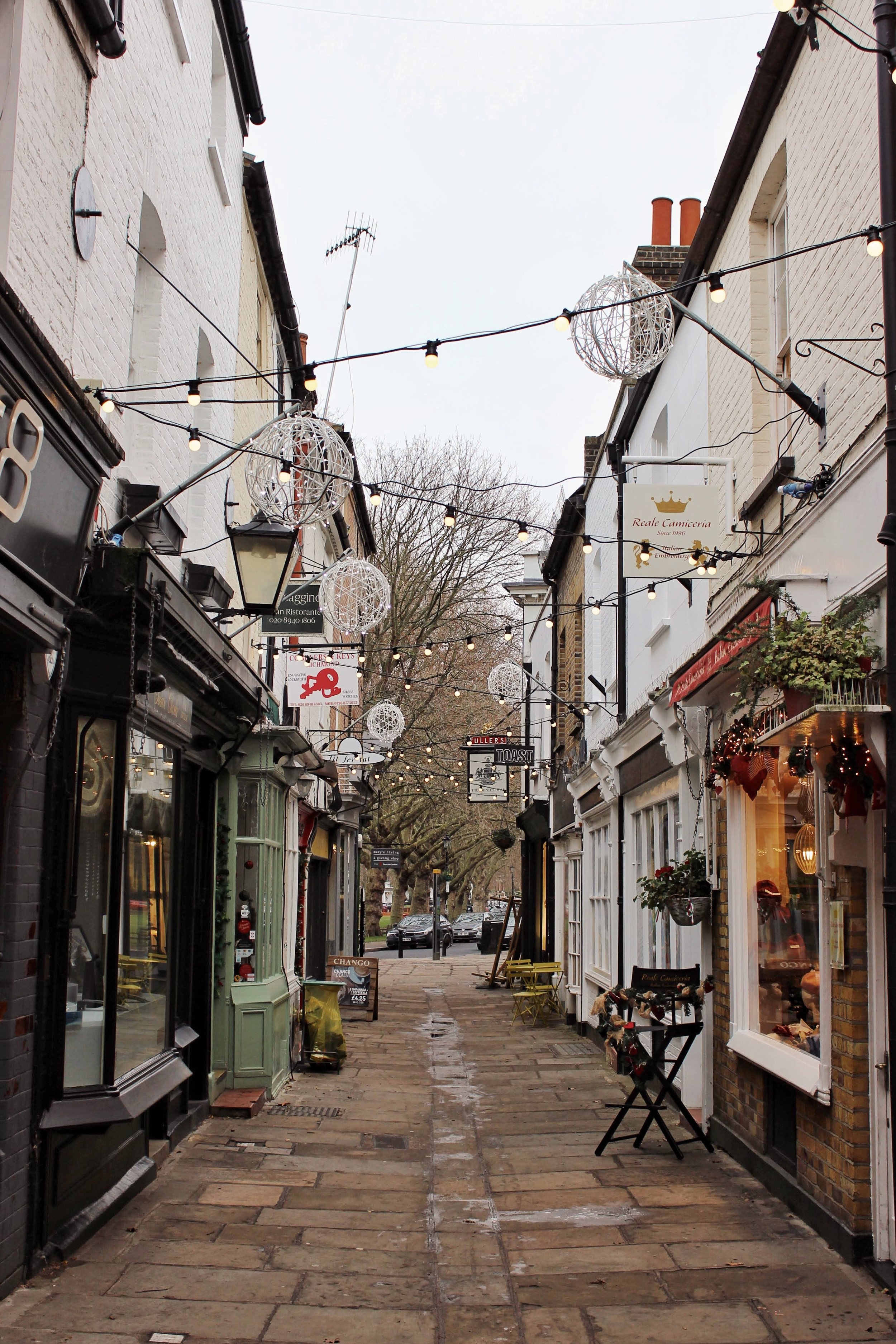

An itinerary for visiting the charming, leafy area of Richmond, London and all the best streets and sights to see.